
In October 1776, a severe typhus epidemic swept through Rhode Island, leaving 23-year-old Jemima Wilkinson bedridden with a raging fever. Neighbors gathered for a death-watch as the illness peaked. Suddenly, the fever broke.
What happened next shocked the local community and launched one of the most unusual religious movements in early American history. The person who woke up claimed that Jemima had actually died, and that their body was reanimated by a completely genderless spirit sent directly from heaven.
The Birth of a New Identity
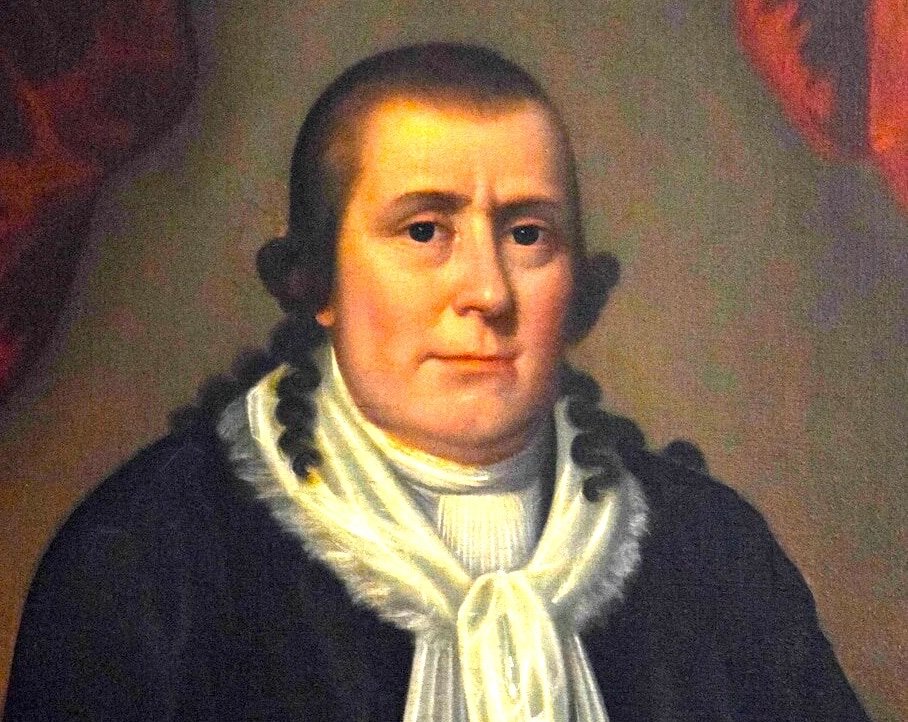
From that moment on, the preacher completely abandoned their birth name and refused to answer to any gendered pronouns. Calling themselves the Public Universal Friend, they adopted a striking, androgynous appearance. The Friend wore long, black clerical robes, a white cravat, and a broad-brimmed beaver hat typically worn by Quaker men. When curious locals asked if the preacher was a man or a woman, the Friend simply replied, “I am that I am.” Those who insisted on using the old name were strictly ignored or chastised.
A Radical 18th-Century Message
The Friend traveled across New England on horseback, preaching to massive crowds without ever using a Bible. Drawing from memory, the evangelist delivered a message that was incredibly progressive for the 1700s. The Friend adamantly opposed slavery, successfully persuading followers to immediately free any enslaved people they held.
The congregation, known as the Society of Universal Friends, elevated unmarried women to powerful leadership roles normally reserved strictly for men. Soon, the group attracted hundreds of devoted followers who abandoned their traditional lives.
Fleeing to the Wilderness
Seeking a safe haven, the Society planned a vast new settlement in the remote wilderness of Western New York. By 1790, they established a community near Seneca and Keuka lakes, becoming the largest non-Native settlement in the region. They named their new town Jerusalem.

The Friend even dined with government officials and Indigenous Haudenosaunee chiefs, giving a speech about peace. The chiefs were highly impressed and gave the preacher a specific title translating to “A Great Woman Preacher.”
Midnight Raids and Final Years
The settlement soon faced intense land disputes and hostile former members. In 1799, a heavily armed posse of thirty men surrounded the Friend’s home after midnight. They smashed the door with an ax, intending to carry the preacher away in an oxcart on charges of blasphemy.
An accompanying doctor stopped them due to the evangelist’s poor health. When the Friend finally appeared in court, the judge ruled no crime had occurred and actually invited the preacher to deliver a sermon to the courtroom. The Friend continued preaching until passing away in 1819.