
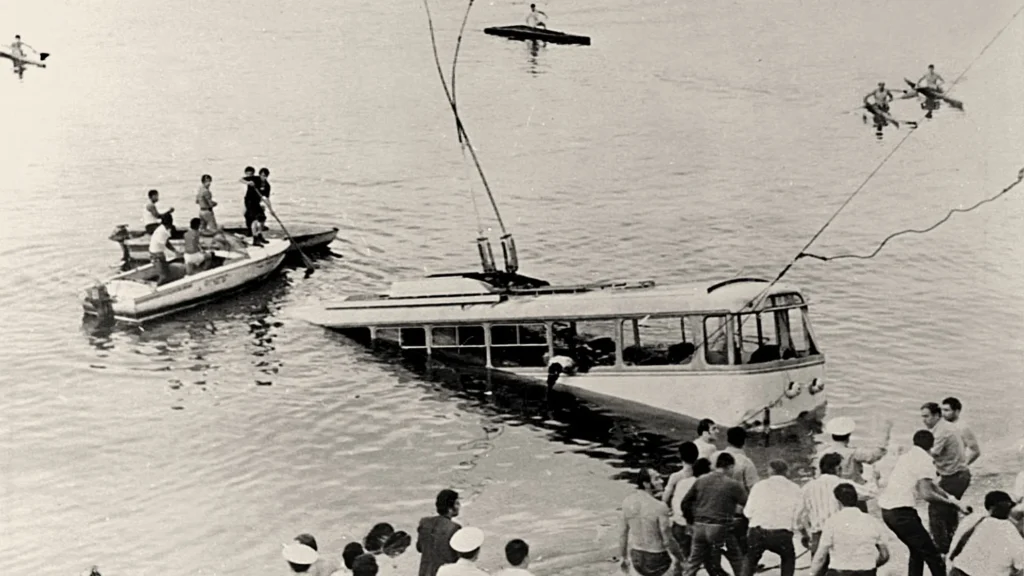
On September 16, 1976, an eleven-time world record-breaking athlete completed a twenty-kilometer training run along Yerevan Lake in Soviet Armenia. Minutes later, a loud crash shattered the afternoon air. A crowded trolleybus veered off a dam wall and plunged into the murky reservoir, sinking 10 meters to the bottom.
What followed was a massive underwater rescue executed by a single civilian. Over twenty rapid dives into sewage-infested waters, this finswimming champion dragged dozens of trapped passengers from the sunken wreckage, sustaining injuries that ended his professional athletic career.
A History of Quick Action
Before the trolleybus crash, twenty-one-year-old Shavarsh Karapetyan had already averted a fatal disaster. In 1974, he was riding a passenger bus when the driver left the engine running to inspect a mechanical issue. The heavy vehicle suddenly rolled toward a steep mountain gorge. Karapetyan smashed through the partition, grabbed the steering wheel, and redirected the bus away from the cliff. This quick reaction foreshadowed the physical demands he would face two years later at Yerevan Lake.
The Yerevan Lake Trolleybus Crash
When the trolleybus plummeted into the reservoir in 1976, it settled twenty-five meters from the shoreline. Karapetyan immediately dove into the cold water. Visibility was near zero. Using his powerful legs, the finswimmer kicked open the glass back window of the submerged vehicle.
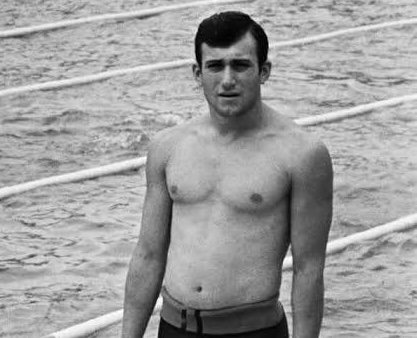
Bleeding from deep glass lacerations, he entered the flooded cabin and began pulling passengers out. He executed twenty separate dives, spending roughly twenty-five seconds underwater each time. He pulled thirty-seven people from the wreckage. Nine others escaped through the shattered window. Medical personnel revived twenty of the passengers he retrieved.
Hospitalization and a Final Record
The rescue severely damaged Karapetyan’s body. He contracted pneumonia and sepsis from the sewage-contaminated water and his open wounds.
He remained hospitalized for forty-five days. The lung complications permanently derailed his professional sports career, forcing him to retire at age twenty-four. Despite the physical pain and permanent lung damage, he insisted on competing in one final swimming meet, where he successfully set a new world record.
Delayed Public Recognition
News of the disaster and the rescue was suppressed by Soviet censors, who routinely blocked reports of domestic tragedies. Photographs remained locked in a district attorney’s office. It was not until 1982 that a newspaper published an article detailing his actions.
Karapetyan received the Medal for the Salvation of the Drowning and the Order of the Badge of Honor. Years later, in 1985, he again ran into a burning building to pull multiple people from the flames, sustaining severe burns.