

On February 19, 1994, a 31-year-old woman named Gloria Ramirez arrived at Riverside General Hospital in California. She was experiencing breathing difficulties, a rapid heart rate, and severe nausea. Medical staff hurried to stabilize her condition. Within minutes, the emergency room transformed into a hazardous zone.
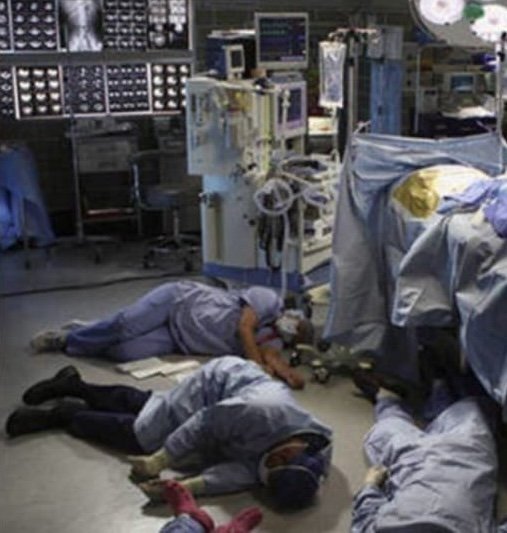
Doctors and nurses began collapsing, overcome by unexplained fumes emanating from the patient. The events of that night triggered an extensive investigation that remains unsolved to this day.
An Emergency Medical Response
Ramirez had recently been diagnosed with advanced cervical cancer. Emergency room staff administered multiple medications and attempted to resuscitate her using an Ambu-bag.
When those efforts failed, they prepared to use a defibrillator. Upon removing her shirt, the medical team noticed an unusual oily sheen coating her skin. A distinct garlicky odor also drifted from her mouth.
The Fumes and the ER Fallout
A nurse drew a blood sample from Ramirez’s arm and immediately detected a strong chemical smell resembling ammonia. Other staff members noted bizarre particles floating inside the blood tube. Moments later, the nurse fainted. A rapid chain reaction followed as a total of 23 out of 37 emergency room workers developed physical reactions.
Staff members experienced vomiting, shortness of breath, and burning sensations on their skin. One worker passed out and awoke completely unable to control her limbs. Ramirez died that evening from cardiac dysrhythmia caused by kidney failure. Meanwhile, the affected hospital staff faced lingering physical symptoms for weeks.
The Hazmat Autopsy and Hospital Scrutiny
Following the incident, a hazardous materials team swept the emergency room but found no toxic chemicals. Ramirez’s family questioned if the hospital environment was responsible. Riverside General Hospital had a documented history of ventilation problems, including a possible hazardous gas leak in 1991, algae in the water reservoir in 1992, and sewer gas seeping into the emergency room in 1993.
No evidence linked the building to this specific event. The Riverside Coroner’s Office had to conduct the autopsy inside a sealed aluminum casket using airtight hazmat suits. Toxicology reports detected medications like Tylenol, lidocaine, codeine, and an anti-nausea drug called Tigan. The autopsy also revealed unusually high levels of dimethyl sulfone in her body.
The Dimethyl Sulfate Chemical Theory
The Forensic Science Center at the Lawrence Livermore National Laboratory investigated the chemical anomaly. They proposed that Ramirez might have used dimethyl sulfoxide, known as DMSO, as a topical treatment. This gel would explain the oily skin and garlicky smell. Researchers hypothesized that the oxygen administered by paramedics converted the DMSO into dimethyl sulfone.
A further chemical reaction could have created dimethyl sulfate, a highly toxic gas known to cause convulsions, delirium, and paralysis. Of the 20 symptoms reported by the hospital staff, 19 matched exposure to dimethyl sulfate vapor. The family denied she used the gel. The exact cause remains unconfirmed.