
In October 1918, hundreds of American soldiers found themselves trapped behind enemy lines while their own artillery rained down upon them. With communication lines severed, the desperate battalion turned to a homing pigeon. A tiny bird flew straight into enemy crossfire to deliver a message that would decide the fate of 194 men. But the real history behind the famous pigeon named Cher Ami reveals a fascinating blend of battlefield chaos and media creation.
The Lost Battalion In The Argonne
On October 2, 1918, elements of the 77th Infantry Division entered the Argonne Forest and eventually became trapped in the Charlevaux Ravine. Commanded by Major Charles W. Whittlesey, the group had no rations, few medical supplies, and suffered heavy casualties. On October 4, American artillery batteries began firing on the ravine, mistakenly believing the men were on a different slope. Major Whittlesey wrote a desperate note stating, “We are along the road paralell 276.4. Our artillery is dropping a barrage directly on us. For heavens sake stop it.”.
A Desperate Flight Under Fire
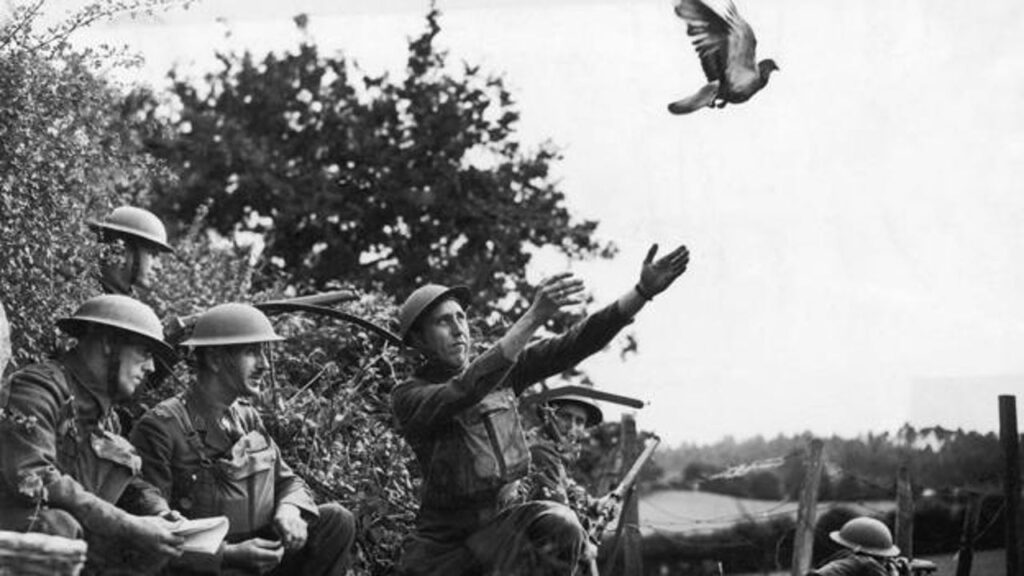
Whittlesey handed the note to Private Omer Richards, who attached it to their last pigeon. After being released, the bird landed on a nearby branch. Richards climbed the tree and shook the branch to force the bird to fly. As the pigeon rose from the brush, German troops opened fire, but the bird managed to continue its journey. It flew 25 miles (40 km) in just 25 minutes, arriving at division headquarters. The shelling stopped shortly after, and 194 men walked out of the forest alive.
Unraveling The Pigeon Legend
While Cher Ami is universally credited with this rescue, historical records tell a different story. According to the Smithsonian Institution, there is no conclusive evidence linking Cher Ami to the Lost Battalion. The famous injuries associated with the bird—a shot breast and an amputated leg—likely occurred during a completely different mission from Grandpré later in October. Captain John L. Carney made statements to the press in 1919 that merged the actions of different pigeons, creating the popular legend to promote the Pigeon Service.
A Highly Decorated Life
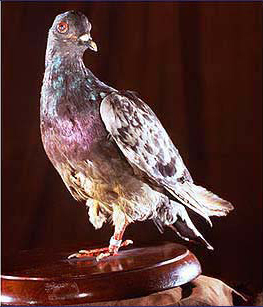
Regardless of the mixed records, Cher Ami served an active military role. The pigeon successfully delivered 12 important messages in the Verdun sector. For his military service, he was awarded the Croix de Guerre Medal with a palm Oak Leaf Cluster. Cher Ami died from battle wounds on June 13, 1919, at Fort Monmouth, New Jersey. Today, the preserved bird remains on display at the National Museum of American History.