
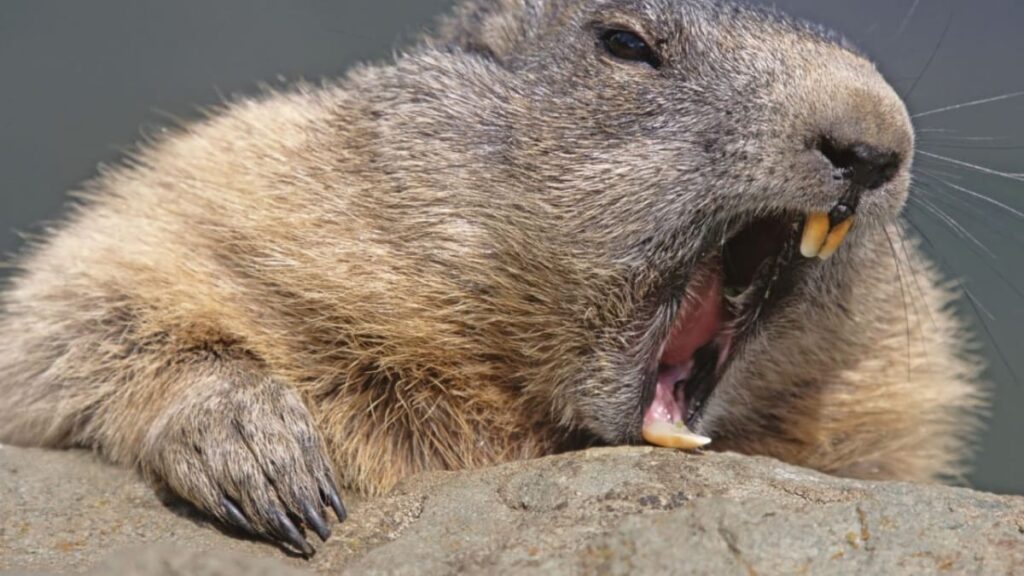
In 2018, environmental planners drafted a comprehensive revitalization project to retain water in the Brdy Protected Landscape Area in Czechia. The government allocated 30 million CZK (approximately $1.41 million) for artificial dams to create a wetland ecosystem along the Klabava River.
Before the human engineers could break ground, an eight-member family of European beavers moved in and completed the exact same engineering feat entirely for free. This is the factual account of how a local beaver population outpaced a state-funded infrastructure project and successfully transformed the landscape under the Dolejší Padrťský pond.
The Arrival of the Animal Engineers
The first signs of the European beaver in the Padrť ponds area appeared in 2020. Park rangers found chewed willow trees along the riverbanks. By 2021, the beaver family started their construction phase on the Klabava River. The group consists of one breeding pair and their offspring, totaling six to eight individuals.
A typical adult European beaver can measure up to 1 meter (3.28 feet) in length and weigh around 30 kilograms (66.14 pounds). They felled trees and constructed low dams across the flooded meadows, redirecting part of the river into its historical channel to soak the floodplains.
Building the Free Wetland Ecosystem
Beavers construct dams using twigs, tree trunks, and stones to raise the water level. They do this to safely hide the underwater entrances to their burrows and protect themselves from predators. Over the next few years, the family expanded their territory into a bypass channel.
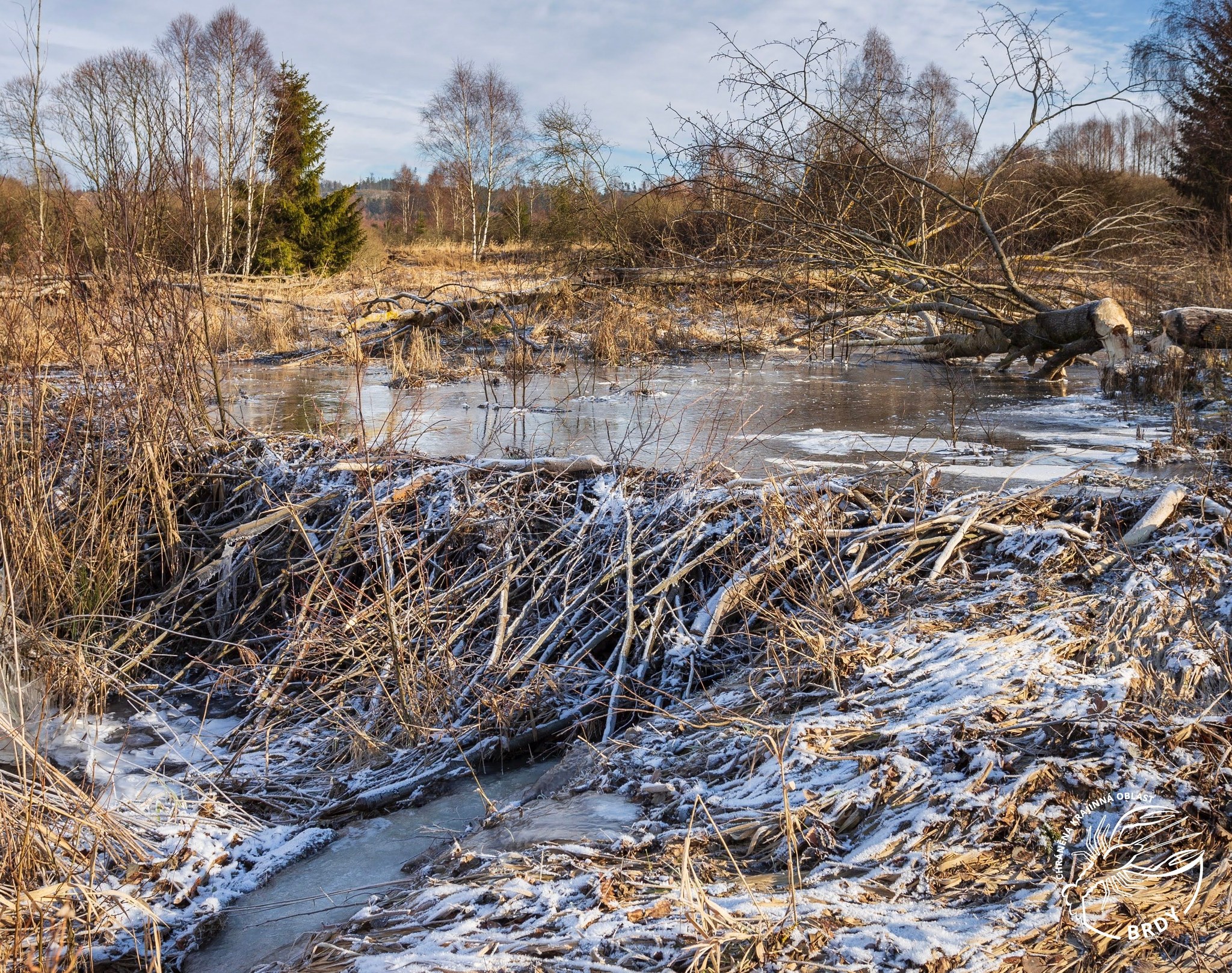
They felled massive aspen trees and built at least three additional dams. By early 2025, the animals finalized their largest structure under the Dolejší Padrťský pond. The result was a cascade of small ponds and a fully functioning natural wetland.
The Stalled Government Revitalization Plan
While the beavers worked, the 2018 state revitalization project remained stalled due to ongoing land disputes. The official plan aimed to artificially flood the valley, increase water retention, and establish a favorable habitat for amphibians and the endangered stone crayfish.
The proposed budget for these human-made modifications was 30 million CZK (approximately $1.41 million). When the authorities reviewed the area in 2025, they found that the beaver family had already achieved the project’s exact goals. The natural dams slowed the water flow, allowed fine sediments to settle, and improved the chemical composition and pH of the water.
A Completed Water Retention Objective
The newly formed ecosystem is now an active breeding ground for frogs and provides the exact conditions required by the stone crayfish. Since the animals successfully retained the water in the landscape and created the necessary wetland, the state canceled the planned human intervention.
The local administration confirmed that the revitalization project became completely unnecessary. The ecosystem currently functions entirely under the management of its animal inhabitants, who achieved the water retention goals before the official state paperwork was ever finalized.