
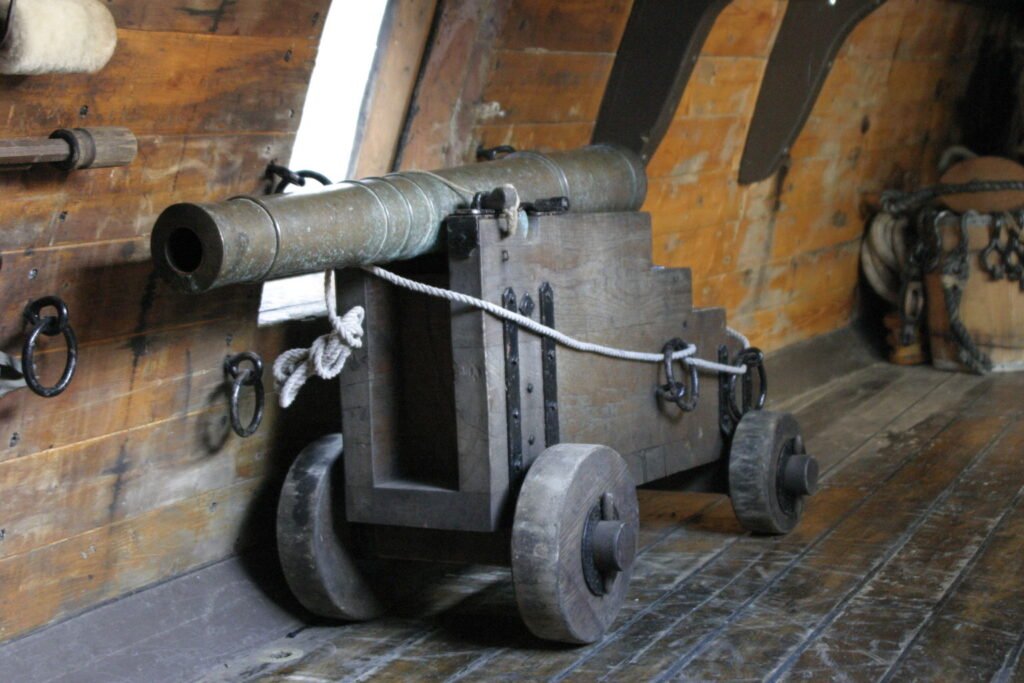
Deep within the wooden hulls of eighteenth-century warships, a highly volatile cargo waited below the waterline. A single stray spark could blow a vessel to pieces. To move this highly explosive gunpowder to the roaring cannons above, the British Royal Navy relied on a specific type of crew member.
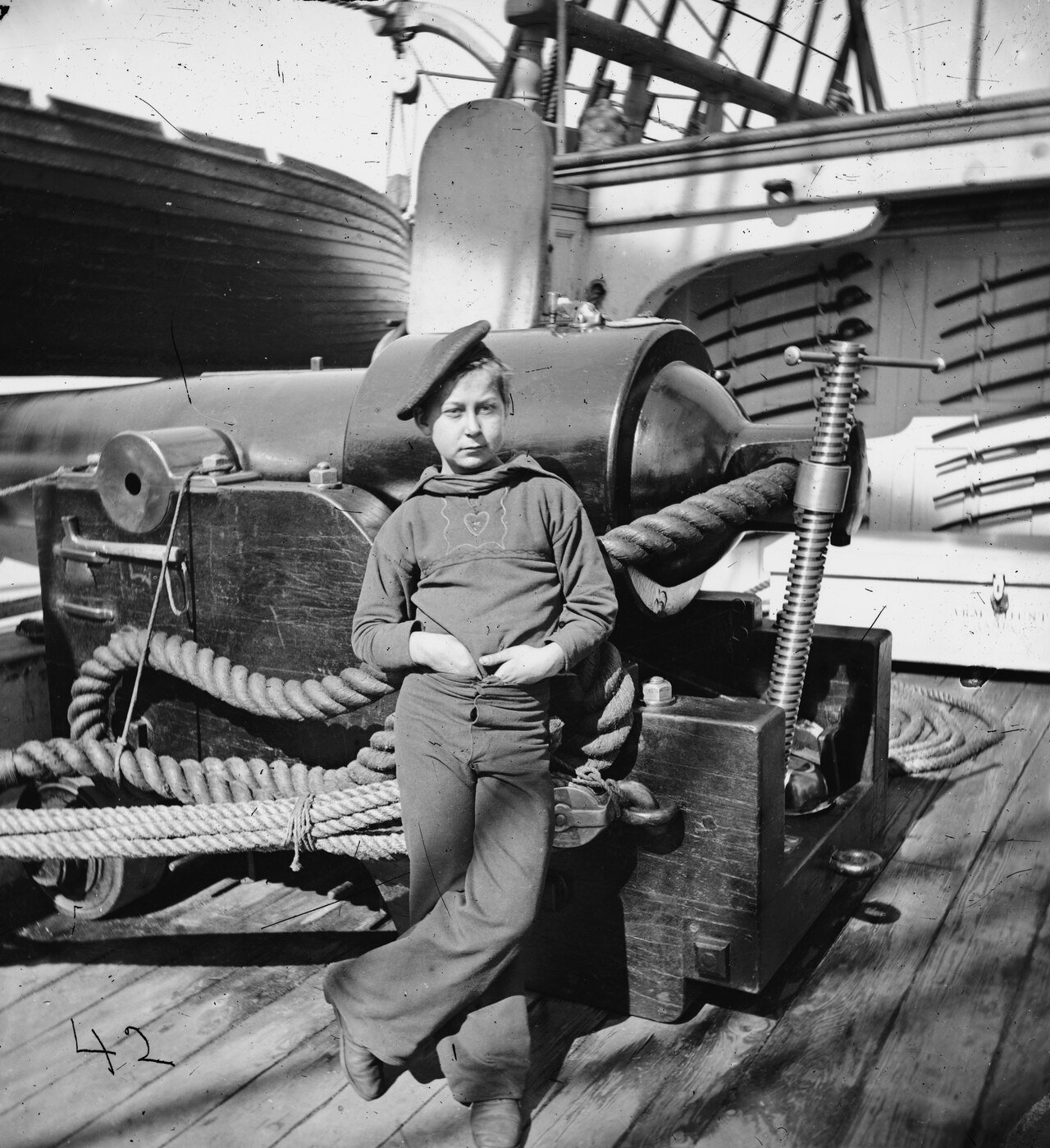
They were fast, they were agile, and they were often just twelve years old. These young boys, known as powder monkeys, navigated active combat zones without any official rank or pay.
Snatched from City Streets
Many of these child sailors came from destitute backgrounds. The Marine Society, established by philanthropist Jonas Hanway, gathered orphans from city streets. The organization provided a bed, clothes, and basic education before funneling them into the military.
By the 1790s, the society sent around 500 to 600 boys to the fleet annually. Other youths fell victim to impressment, kidnapped by press gangs prowling port towns for extra crew members. A smaller portion willingly stepped onto the decks, eager to follow their fathers and grandfathers into maritime combat.
Running the Cannon Decks
A warship carrying 100 guns might employ up to fifty powder monkeys. The boys sprinted back and forth from the completely sealed, copper-lined powder magazine in the lower hold to the active artillery pieces. Navy commanders specifically selected children between twelve and fourteen for this vital task.
Their short stature, usually under 5 feet (1.5 meters), allowed them to easily squeeze through the tight spaces between cramped decks. Furthermore, their lack of height kept them hidden completely behind the wooden gunwales, protecting them from enemy sharpshooters firing from the masts above.
The Reality of Naval Combat
The role required sprinting with cartridges of explosives through a chaotic and loud environment. The boys worked at a relentless pace to keep the massive cannons loaded and outmaneuver opposing fleets. They regularly witnessed horrific injuries and faced the constant threat of dismemberment or death themselves.
Regulations strictly required recruits to be at least thirteen unless accompanied by a father, but captains routinely ignored these rules, bringing boys as young as eight onto the high seas. Between running explosives, the boys also scaled dizzying heights up the ropes to manage the sails.
Expanding Across the Atlantic
The United States Navy adopted the exact same structure in the late eighteenth century. During the War of 1812, American and British warships utilized the speed of child sailors against each other.
Following that conflict, the U.S. Navy banned boys under twelve but continued employing older youths until the Spanish-American War. The term powder monkey originated in the 1600s, and today, mining and demolition engineers who handle explosives still use the exact same title.