
The high heels sitting in millions of closets today were originally designed for men riding into battle. While 72 percent of women will wear elevated shoes at some point, the earliest versions were strictly utilitarian gear for ancient soldiers and workers.
The journey of this footwear spans continents and centuries, shifting from muddy battlefields to ancient stages before landing on the feet of European nobility. The actual history of how these shoes transitioned from male equestrian gear to modern female fashion involves butchery, warfare, and political revolutions.
Blood, Stages, and Persian Archers
In ancient times, elevated shoes served highly practical functions. Murals show nobility wearing them to stay above the bare feet of the lower classes, while butchers wore elevated soles to avoid stepping in animal blood. In Ancient Rome and Greece, actors wore cork platforms called buskins to project character class differences on stage.
Prostitutes also used these platforms for identification. By the 15th century, male Persian equestrians utilized heels to secure their feet in stirrups, allowing them to stand and shoot arrows with precision during combat.
European Elites and Tall Chopines
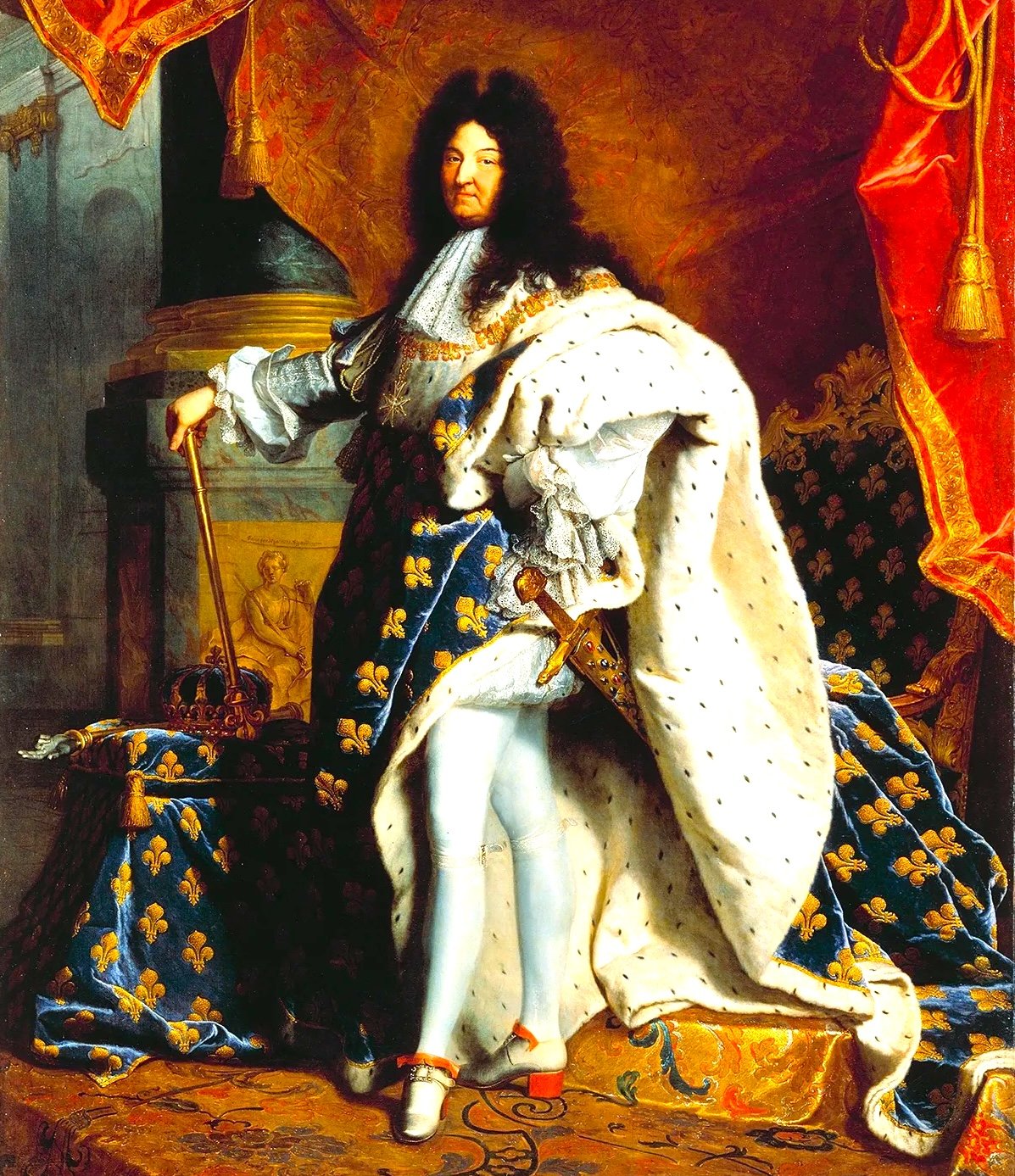
When Persians arrived in Europe, locals quickly adopted the footwear. The elevated shoes kept feet out of street grime, but European male elites soon wore them simply to appear taller and more imposing. Courtesans who interacted with these men began wearing similar shoes to project their elevated social standing.
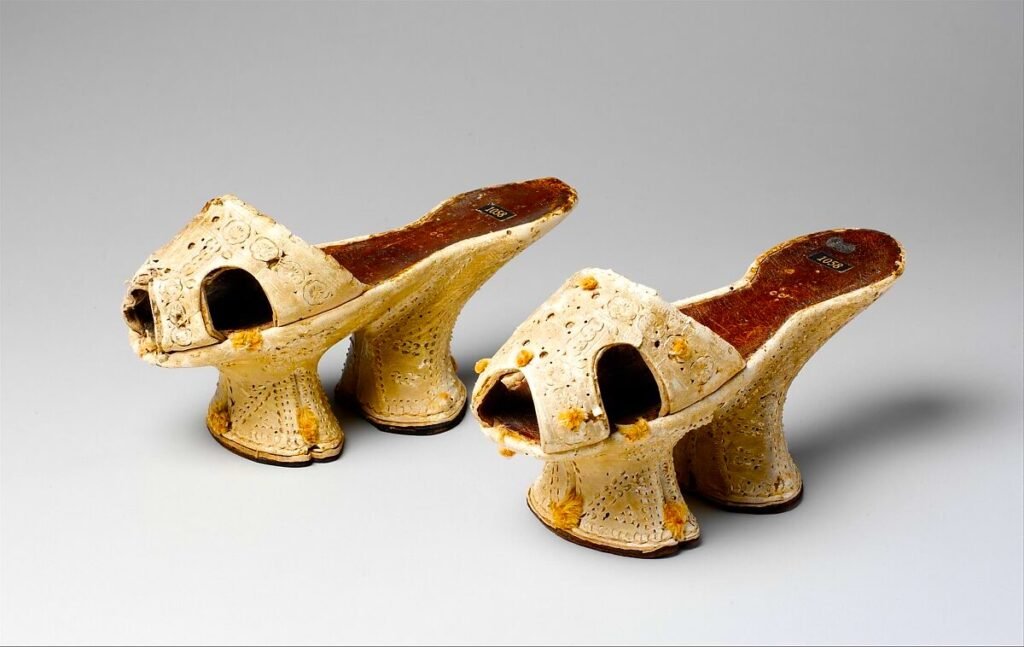
During the 15th through 17th centuries, courtesans wore extreme versions called chopines. Made of wood or cork, these shoes reached up to 18 inches tall. Walking required constant support from male escorts or multiple servants just to maintain balance.
Revolutions and Changing Demographics
The late 18th century brought political upheaval like the French Revolution. Towering over others suddenly became unfashionable in the new democratic climate, causing a steep decline in popularity. Moving into the Victorian and Edwardian eras, men completely abandoned elevated shoes in favor of flat, functional footwear.
Men categorized the towering shoes as impractical. During this period, society heavily associated physical weakness with women, and this impractical footwear became strictly gendered female apparel.
The Rise of the Stiletto
The first high heel factory opened in New York in 1888. Over the decades, impractical shoes indicated wealth. Following World War II, the aesthetic shifted. Roger Vivier introduced the stiletto, dubbed the needle, in 1953. Pinups and Hollywood starlets popularized this thin design.
Marilyn Monroe famously shaved a quarter inch off one stiletto to create a pronounced walking sway. Fashion evolved through 1960s kitten heels and 1970s disco platforms, cementing the shoe as an exclusive staple of female wardrobes worldwide.