
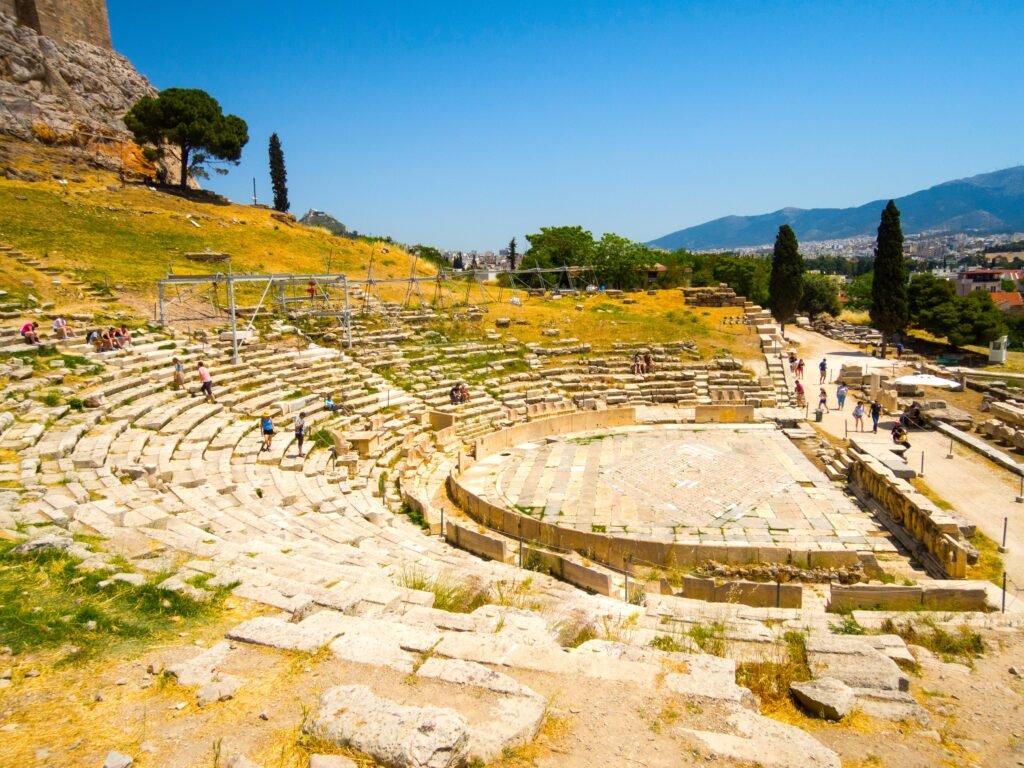
In 408 BC, the massive Theatre of Dionysus in Athens sat packed with expectant spectators. They gathered for the highly anticipated premiere of a new tragedy written by the famous playwright Euripides. The lead actor stepped forward to deliver a crucial, dramatic line about finding peace after a storm. Instead, a single dropped syllable escaped his lips, instantly destroying the dramatic illusion and ending his acting career forever.
The Premiere of Orestes in Athens
Hegelochus was chosen to play the title role in Euripides’ Orestes during the City Dionysia festival. The venue accommodated up to 15,000 audience members on the southern slope of the Acropolis, a rocky outcrop rising 150 meters (490 feet) above sea level. Today, Hegelochus holds the unique distinction of being the only actor known by name to originate a title role in a surviving Greek tragedy. He stepped onto the stage to perform a highly emotional scene where the character recovers from a severe fit of madness.
A Calamitous Pronunciation Error
During line 279, the script required Hegelochus to say, “after the storm I see again a calm sea.” In Ancient Greek, the word for “calm sea” in this context was galḗn’. Delivering this word correctly required an acute accent, meaning the actor had to raise his vocal pitch. Ancient Greek functioned as a tonal language, much like modern Mandarin, where pitch changes completely alter word meanings.
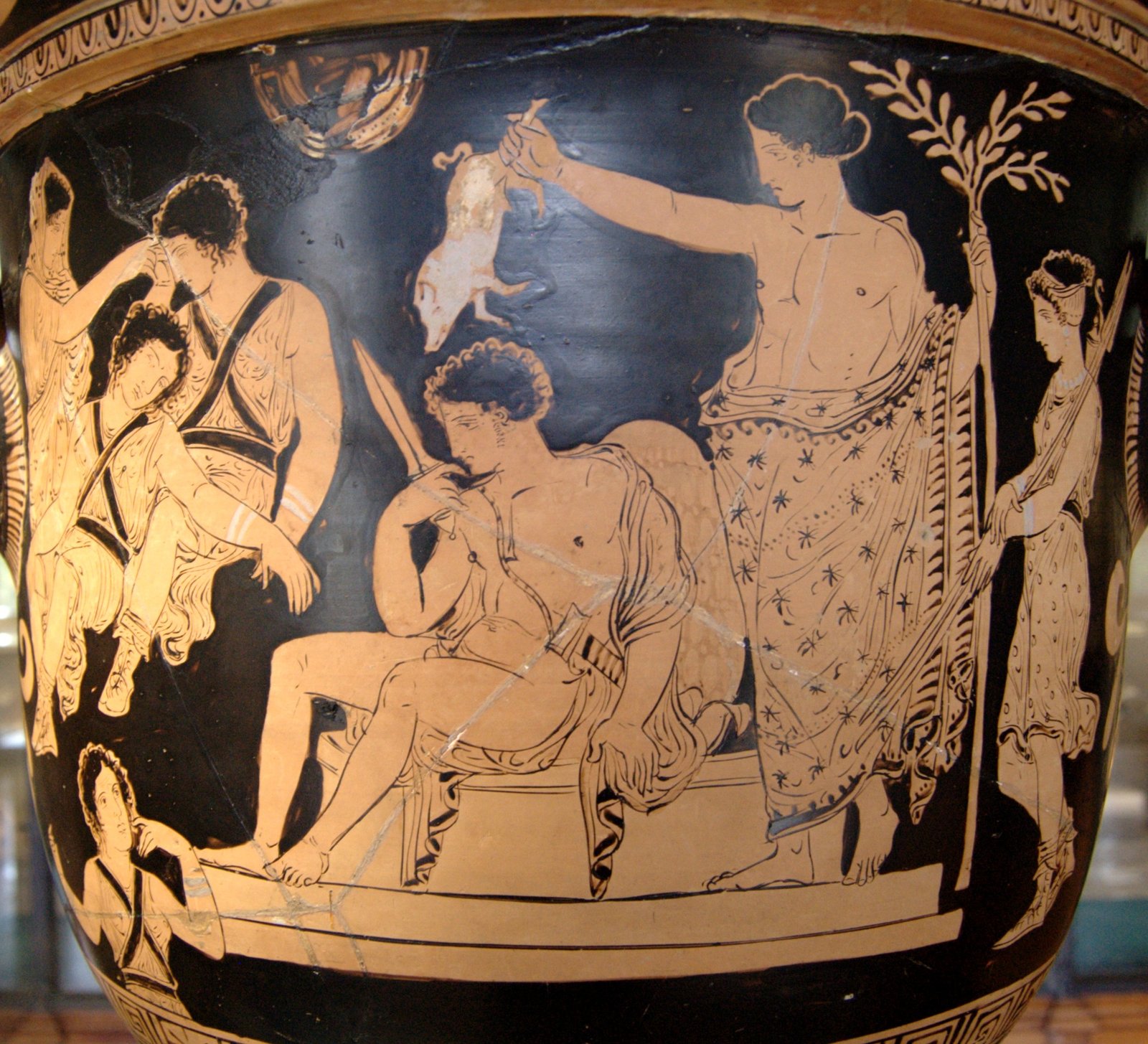
Ancient commentators recorded that Hegelochus ran out of breath. He dropped his pitch too early and failed to execute the required elision. He pronounced the word with a circumflex, creating a rise and sudden fall in pitch. The audience heard the word galên. This small change shifted the translation entirely. Instead of a peaceful ocean view, Hegelochus loudly declared, “After the storm I see again a weasel.”
The Ruthless Mockery of Old Comedy
The blunder caused an uproar and quickly became a popular comedic catchphrase across the city. Poets of Old Comedy mercilessly targeted the mistake. In 405 BC, the playwright Aristophanes wrote a scene in his play The Frogs where a frightened character states that everything turned out well and quotes Hegelochus directly about seeing a weasel.
Other writers joined the attack. Sannyrion wrote a parody featuring the god Zeus turning into a weasel to sneak into a room, terrified that Hegelochus would spot him and shout the famous line. Strattis explicitly blamed the actor for ruining Euripides’ clever drama. Strattis even wrote a dialogue in his play Psychastae specifically to reenact the verbal confusion between the calm sea and the weasel. Following this barrage of public satire from multiple prominent writers, Hegelochus never acted on stage again.