
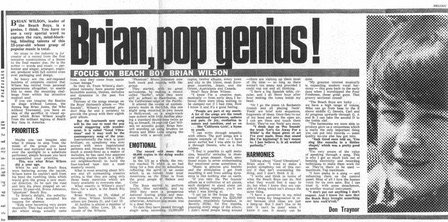
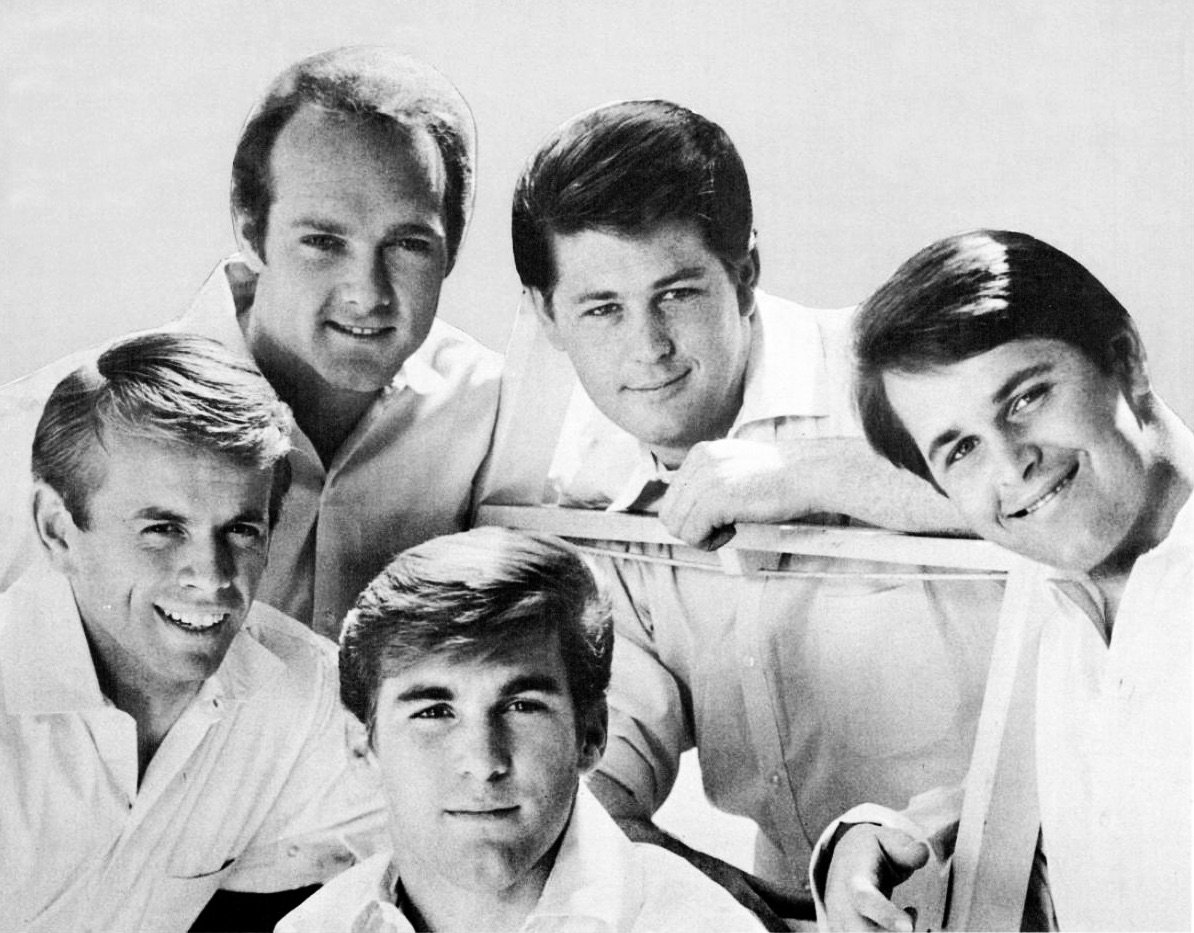
In the spring of 1966, a deliberate media strategy changed the public narrative of popular music by declaring one man a musical mastermind. The Beach Boys wanted to shed their wholesome surfing image and be taken seriously by the counterculture. To achieve this, they hired a former Beatles publicist who launched a relentless campaign to brand Brian Wilson as an unparalleled pop genius.
The aggressive marketing tactic successfully elevated Wilson to the ranks of Bob Dylan and John Lennon, but the intense public pressure ultimately fractured the band and drove their primary songwriter into decades of isolation.
Engineering the Genius Narrative
The Beach Boys hired Derek Taylor, a well-connected British press officer, paying him $750 a month to revamp their public image. Brian Wilson had grown tired of the group’s surf and hot rod aesthetic, feeling it distracted audiences from his complex production work.
Taylor firmly believed Wilson was exceptionally talented and began pitching him to the press as a peer to classical composers like Mozart and rock luminaries like Paul McCartney. Taylor fed reporters the narrative that Wilson single-handedly wrote, arranged, and produced the group’s intricate music.
Elevating Pet Sounds in the British Press
To promote the 1966 album Pet Sounds, Taylor organized exclusive listening parties in London. He invited highly influential rock journalists and elite musicians, including members of the Beatles and the Rolling Stones. As a direct result of these networking efforts, the British music press heavily promoted the “genius” moniker.
Melody Maker and the New Musical Express published articles praising Wilson as a studio visionary. By the end of the year, a reader’s poll in Britain ranked Wilson as the fourth-greatest world music personality, placing him hundreds of votes ahead of Bob Dylan.
The Unreleased Smile Album and Mounting Pressure
The media hype reached its peak during the recording of the hit single “Good Vibrations” and the subsequent sessions for the planned follow-up album, Smile. Writers embedded themselves in the studio with Wilson, publishing articles that documented his eccentricities.
In October 1967, Cheetah magazine published a highly publicized piece by Jules Siegel titled “Goodbye Surfing, Hello God!” The article cemented the narrative of Wilson as an erratic artist driven mad by his own creative process. Shortly before the article ran, Taylor announced that the Smile album had been entirely scrapped.
A Retreat from the Music Industry
The “genius” label placed enormous weight on Wilson. He later stated that once the public expects genius, failing to deliver destroys a career. When the Beatles released acclaimed new music, Wilson felt he had no further ideas left to explore. His bandmates simultaneously grew frustrated with the press attention focusing exclusively on Wilson, leaving them feeling like nameless components in a machine.
Feeling guilty about the solo attention and overwhelmed by the expectations of the music industry, Wilson severely reduced his songwriting output and withdrew from the public eye.