
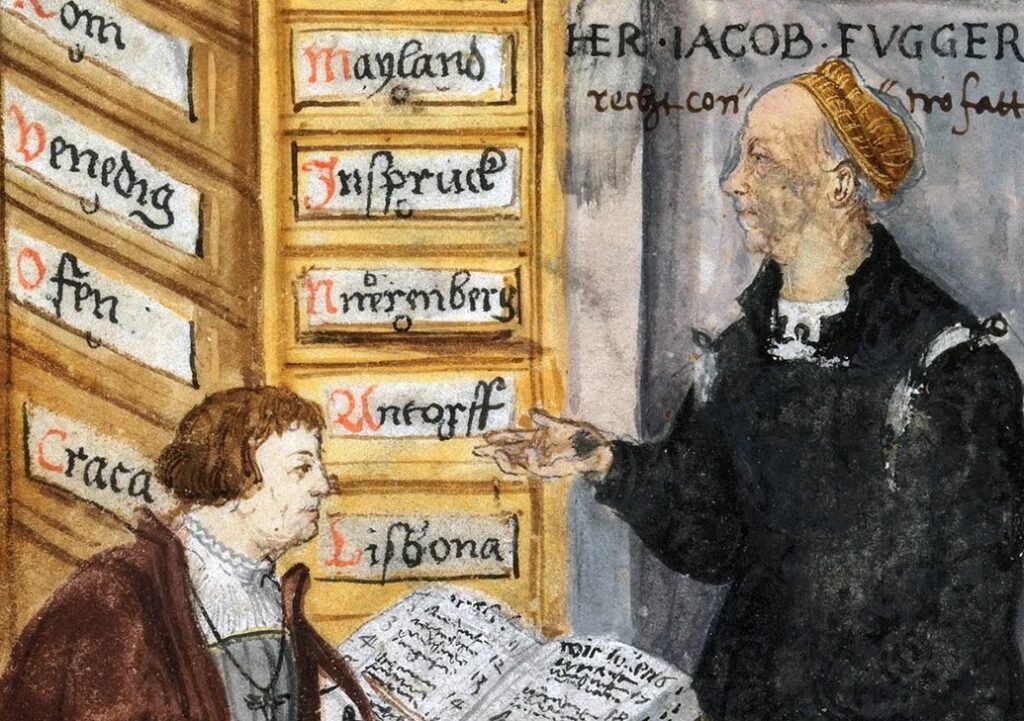
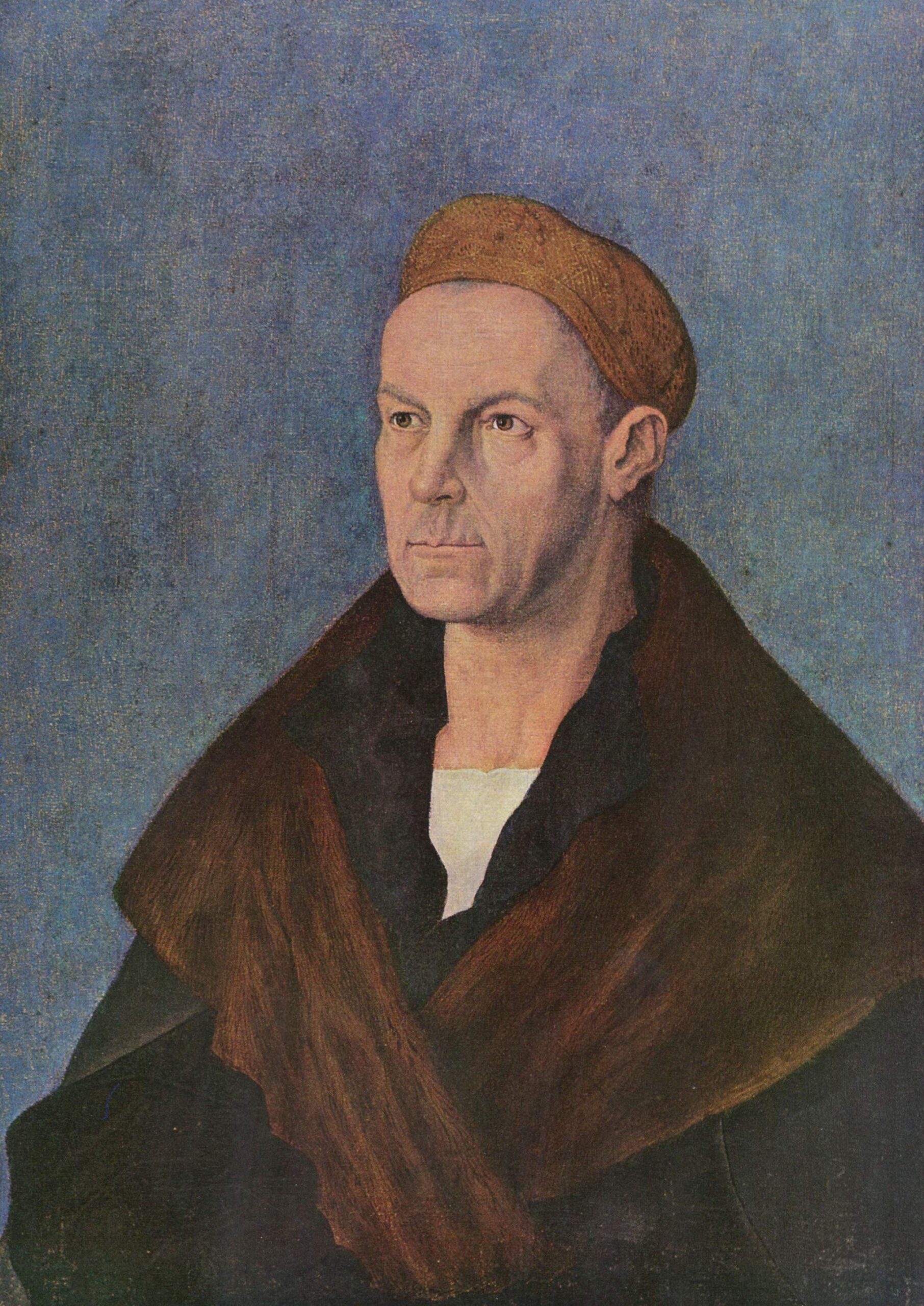
Long before modern billionaires existed, one merchant held two percent of Europe’s entire GDP. Jakob Fugger amassed an estimated wealth equivalent to $400 billion. Operating out of Augsburg, he did not just trade goods; he bought kings, funded Popes, and altered the geopolitical map.
From his days as a 14-year-old apprentice in Venice, Fugger transformed his family’s textile business into an unprecedented financial empire. By monopolizing the copper market and bankrolling the Habsburg dynasty, he accumulated riches that shaped world events, including the start of the Reformation and the creation of the Vatican’s Swiss Guard.
A Complete Grip on European Copper
Fugger expanded into mining by demanding shares in silver mines instead of standard loan repayments. Partnering with engineers, he moved to dominate the copper market in Central Europe. His company extracted copper from mines in Tyrol and Hungary, transporting it to ports on the Baltic Sea and Antwerp.
Portuguese fleets then shipped this copper to India in exchange for spices. By the early 1500s, Fugger controlled an almost complete monopoly on European copper production, making the Portuguese crown heavily reliant on his exports.
Financing the Vatican and the Reformation
The Fugger bank was the first German firm to establish a direct financial relationship with the Roman Curia. In 1500, Fugger loaned the Vatican the funds required to build the new St. Peter’s Basilica. He also financed the recruitment of the Swiss Guard in 1505.
To repay these debts, Pope Leo X authorized the sale of indulgences in Germany, with half the proceeds going directly to Fugger. This specific financial arrangement prompted Martin Luther to write his Ninety-five Theses in protest.
Purchasing the Holy Roman Empire
When Emperor Maximilian I died in 1519, his grandson, Charles V, faced fierce competition for the throne from the kings of England and France. To secure the votes of the seven prince-electors, Fugger transferred 850,000 guilders to them, personally supplying 550,000 guilders of the total.
This payment secured a unanimous victory for Charles. When Charles later considered restricting trade monopolies, Fugger explicitly reminded the Emperor that he owed his crown to the Fugger bank, prompting Charles to immediately drop the restrictions.
The One-Guilder Housing Estate
In 1516, Fugger funded the Fuggerei in Augsburg, a walled enclave for day laborers in need. The annual rent was set at one nominal guilder, with a requirement that residents offer three daily prayers for the Fugger family.
The estate continues to operate under its original 1521 foundation terms. Approximately 150 residents still live in the complex today, paying an annual rent equivalent to 0.88 euros.