
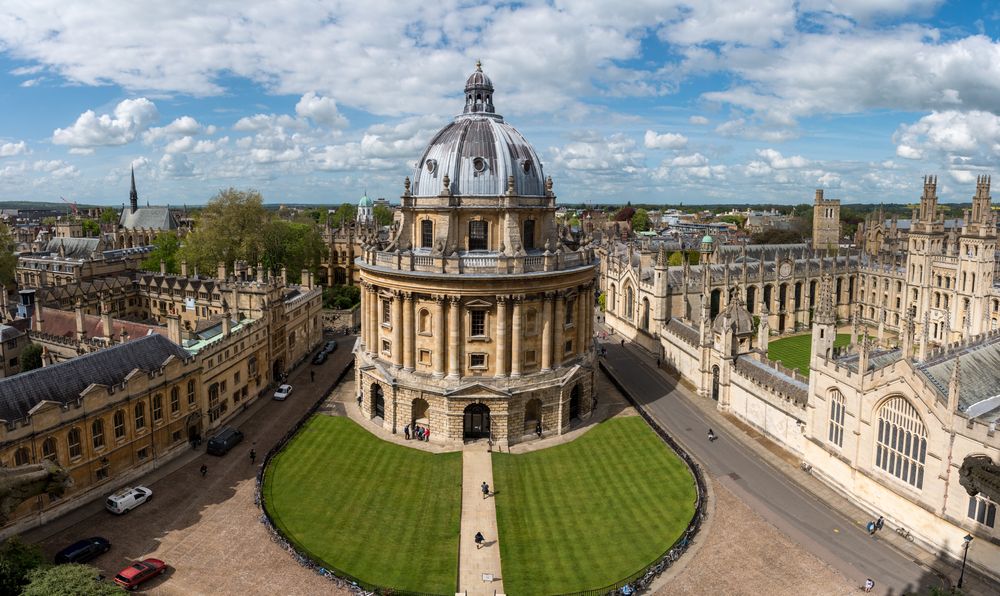
For over five centuries, thousands of graduating university students solemnly swore an oath against a specific man. They pledged never to reconcile with him, reciting his name in a strict Latin vow to finalize their degrees. The man they shunned was Henry Symeonis.
Yet, as the generations passed, a strange truth emerged. The university completely forgot who this man was and what he had done to deserve this banishment. The facts surrounding his life and his medieval crimes remained buried until the twentieth century.
A Wealthy Suspect in Medieval England
Henry Symeonis was an incredibly wealthy resident of early thirteenth-century Oxford. His grandfather had witnessed royal charters and possibly served as a city reeve under King John. Henry owned multiple properties across the city. On May 22, 1242, his circumstances drastically changed.
King Henry III ordered Henry Symeonis and several other men to pay an £80 fine and immediately leave Oxford. The monarch banished them for their involvement in the murder of a university scholar. The group was permitted to live in Northampton or further north but was strictly forbidden from approaching Oxford.
The Royal Pardon and Scholar Walkout
Henry Symeonis was back in Oxford by early 1243. He even sold an island to the King, which the monarch then granted to a religious order in 1245. On March 12, 1264, the King temporarily suspended the university’s operations due to military conflicts.
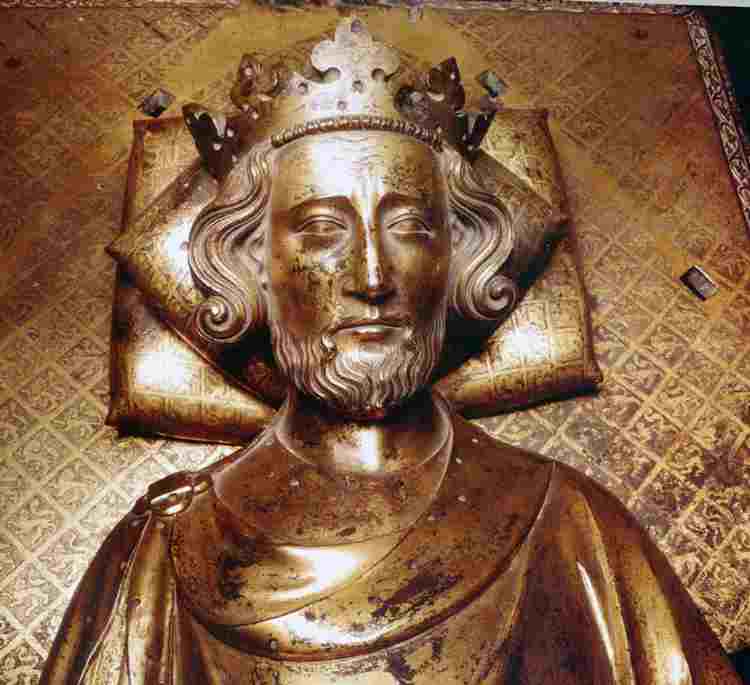
On March 25, the King issued official letters patent declaring a full pardon for Henry Symeonis. The monarch ordered the university to let the man live in peace, provided he maintained good behavior. The scholars ignored the command and refused to forgive the wealthy landowner.
An Oath Sworn by Generations
The scholars’ intense anger was officially codified into university law. Every Bachelor of Arts seeking to become a Master of Arts was required to swear a mandatory oath never to consent to the reconciliation of Henry Symeonis. For hundreds of years, this requirement remained active.
By 1608, archivist Brian Twyne tried to explain the oath by writing that Henry had falsely claimed a degree to enter a foreign monastery. By the 1650s, a proposal to remove the oath was rejected, even though the true origins were lost.
The Rediscovery of a Forgotten Identity
The university finally abolished the mandatory oath in February 1827. At the time of its removal, the exact historical events that created the requirement were completely unknown to the faculty and the students. The specific details regarding the murder, the massive financial fine, and the royal pardon remained missing for another eighty-five years.
It was not until 1912 that the university’s keeper of the archives, Reginald Lane Poole, uncovered the original documents. Poole finally revealed the true identity of the man who had angered an entire university for over half a millennium.