
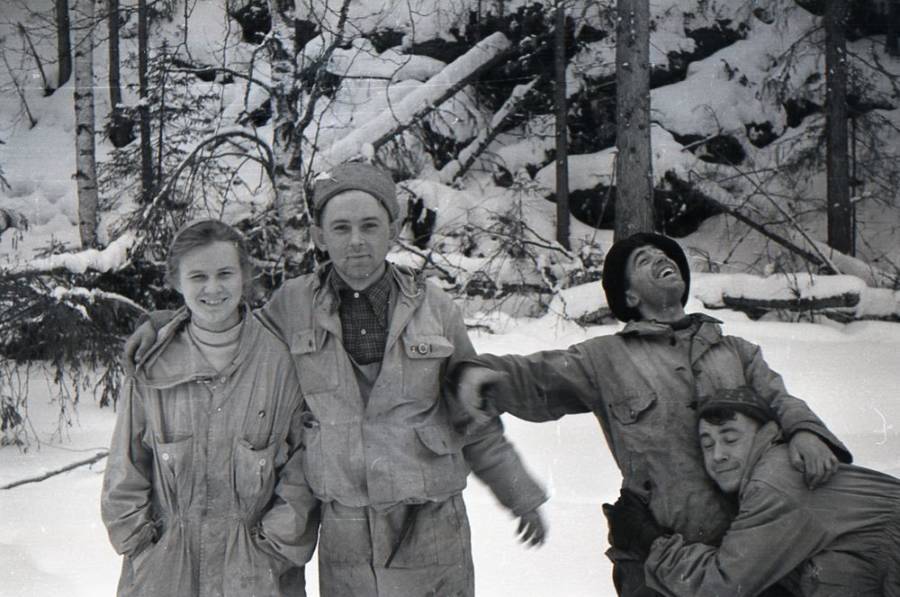
In February 1959, nine experienced Soviet ski hikers cut their way out of their own tent and fled into the lethal minus 40-degree winds of the Ural Mountains. They abandoned their winter gear and shelter. Weeks later, search parties discovered a baffling scene on Kholat Syakhl.
Some hikers lay frozen wearing only underwear, while others were discovered months later with massive internal injuries. This event sparked a decades-long investigation involving classified Soviet files, radioactive clothing, and modern computer simulations to uncover the group’s final hours.
A Treacherous Route in the Urals
In January 1959, Igor Dyatlov led a team from the Ural Polytechnical Institute on a Grade III skiing expedition, the highest difficulty level in the Soviet Union. One member turned back early due to joint pain, leaving nine to continue. On February 1, worsening weather and low visibility caused a navigational error.
The hikers decided to establish their camp on the open, snowy slope of Kholat Syakhl rather than retreating downhill to a forested area that offered natural shelter.
A Horrifying Discovery on the Slopes
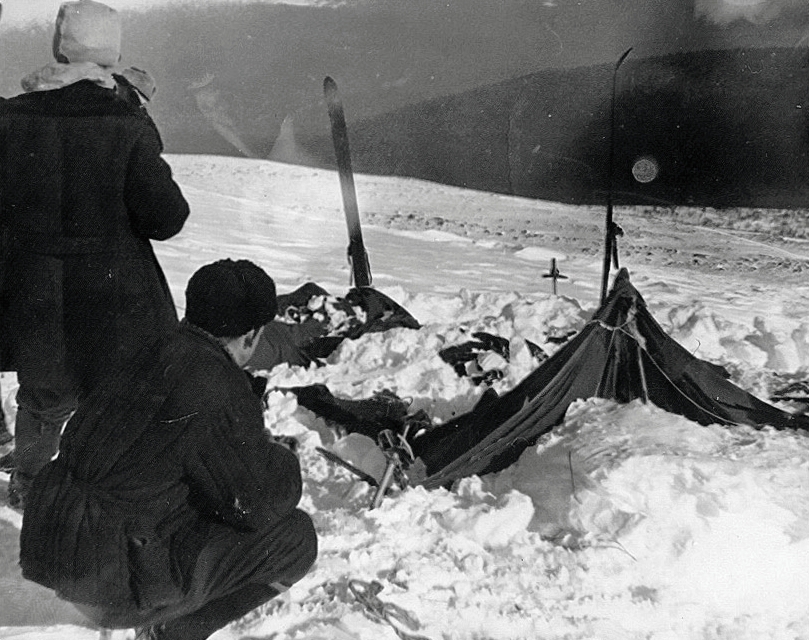
Rescue operations commenced when the group failed to send a scheduled telegram. On February 26, searchers found the abandoned tent badly damaged and sliced open from the inside. Footprints from people wearing only socks or walking barefoot led downhill.
At the forest’s edge, searchers found a small fire pit and two bodies dressed only in underwear. Three more hikers, including Dyatlov, were found dead on the mountain slope in poses suggesting they were desperately trying to crawl back to the campsite.
Fatal Trauma and Secret Archives
The remaining four travellers were found in May, buried beneath four metres of snow in a ravine. Medical examinations of these bodies revealed shocking details. Three victims suffered fatal physical trauma comparable to a car crash, including massive chest fractures and major skull damage, yet lacked external wounds.
Furthermore, bodies in the running stream had missing eyes and a missing tongue. Soviet authorities noted trace radiation on some clothing, attributed the deaths to a “compelling natural force,” and sent the investigation files to a secret archive.
Modern Science Explains the Tragedy
For decades, theories ranged from military parachute mines to violent katabatic winds. In 2019, the Russian government reopened the investigation. By 2020, officials concluded that an avalanche forced the sudden evacuation.
A 2021 study by Swiss scientists supported this, publishing a model demonstrating that a localized slab avalanche could have struck the tent. The falling snow caused the severe blunt-force injuries and forced the surviving hikers into the freezing darkness, where they ultimately died of hypothermia.