
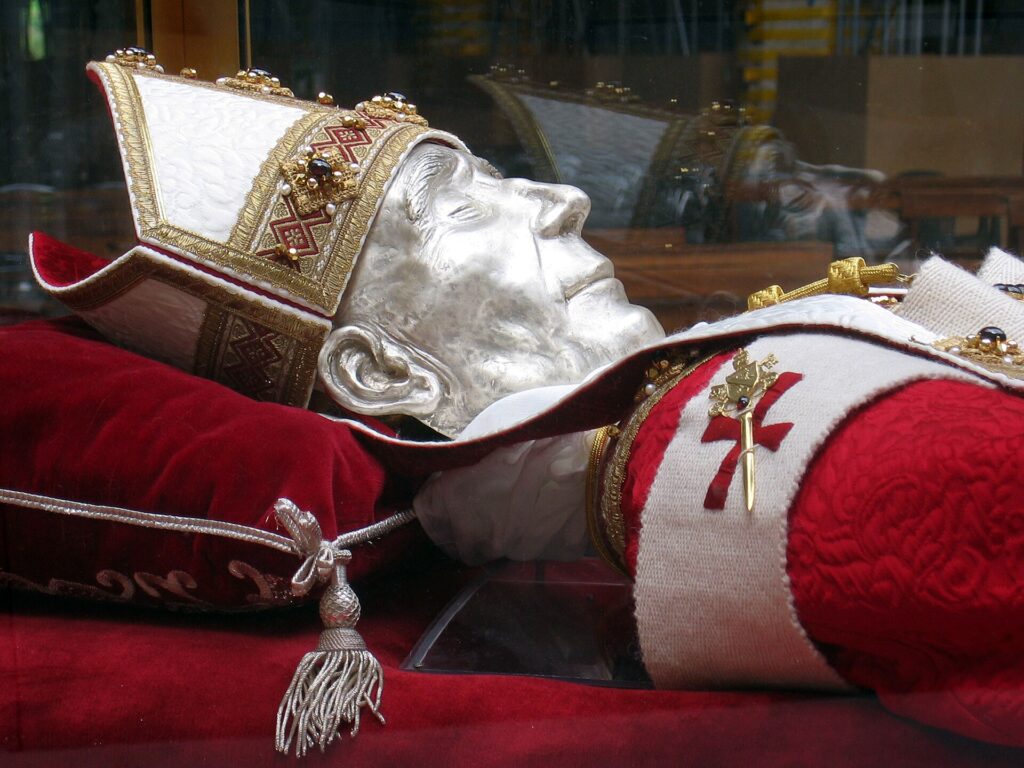
In 1294, an ascetic monk was taken from a secluded mountain cave to rule the Catholic Church, only to orchestrate an escape just five months later. Born Pietro Angelerio, he became Pope Celestine V to break a two-year papal election deadlock.
Surrounded by political maneuvering, he officially decreed the right of a pope to abdicate, stepped down from his absolute power, and fled. The events surrounding his brief reign and subsequent capture remain a fascinating chapter of medieval history.
From Solitary Cave to the Papal Throne
Pietro Angelerio showed an extraordinary disposition toward strict asceticism and solitude from an early age. By the early 1230s, he retired to a remote cavern on the Montagne del Morrone in Italy. He later moved to an even more isolated cave on the Maiella mountain, living as a strict ascetic and attracting followers. He eventually founded the Celestines, a religious order formally approved by Pope Urban IV in 1263.
Following the death of Pope Nicholas IV in 1292, the College of Cardinals spent over two years unable to agree on a successor. Frustrated, Pietro sent a letter warning the cardinals of divine vengeance if they failed to elect a new pope. In response, the cardinals unexpectedly elected Pietro himself on July 5, 1294. Pietro obstinately refused the papacy and attempted to flee, but a deputation of cardinals persuaded him to accept the position.
A Five-Month Rule in Naples
Taking the name Celestine V, the new pope had absolutely no political experience and proved to be a weak, ineffectual leader. He set up his papal court in the Kingdom of Naples, operating under the complete control of King Charles II and entirely out of contact with the Roman Curia. During his brief tenure, Celestine readily appointed the king’s favorites to various Church offices.
The Unprecedented Abdication
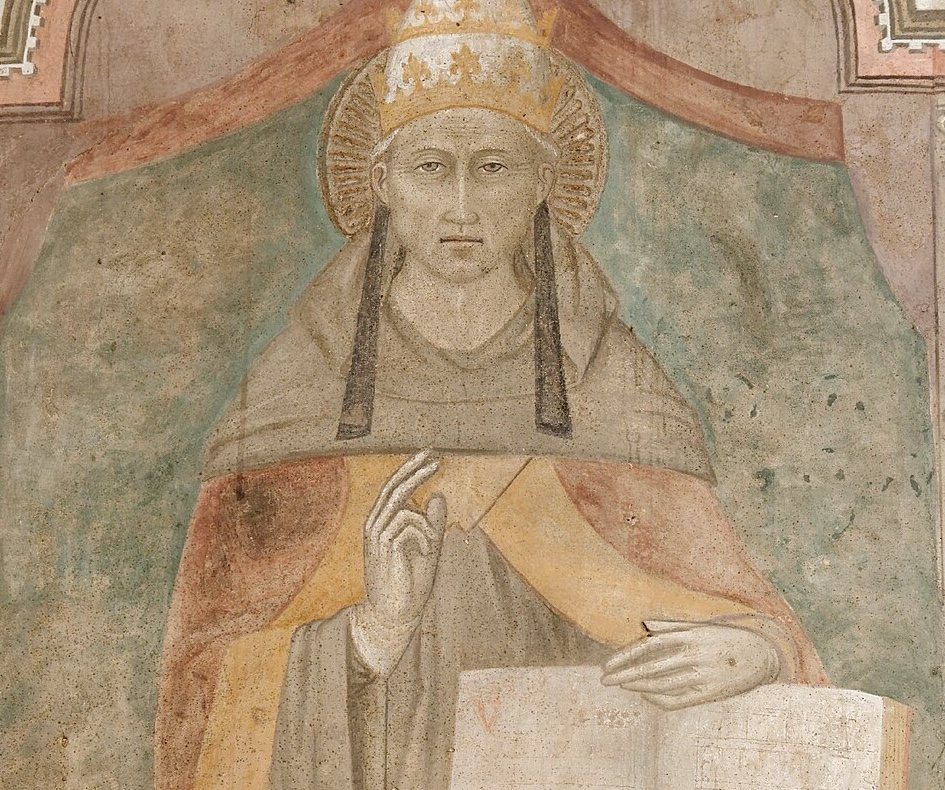
Realizing his lack of authority and personal incompatibility with his papal duties, Celestine consulted with Cardinal Benedetto Caetani about stepping down. Consequently, he issued a decree officially declaring the right of a pope to resign. On December 13, 1294, citing his desire for a purer life, his physical deficiencies, and a longing for his former tranquility, Celestine abdicated after serving just five months and eight days. He divested himself of his papal garments and slipped away from Naples.
Captured and Imprisoned
The former pope was not allowed to resume his monastic life. His successor, Pope Boniface VIII, feared that dissenting factions might install Pietro as an antipope. Boniface ordered his capture, and although Pietro escaped into the woods and attempted to flee to Dalmatia by ship, a tempest forced his vessel back to port. He was apprehended and imprisoned in the castle of Fumone in the Lazio region, where he died ten months later on May 19, 1296.