
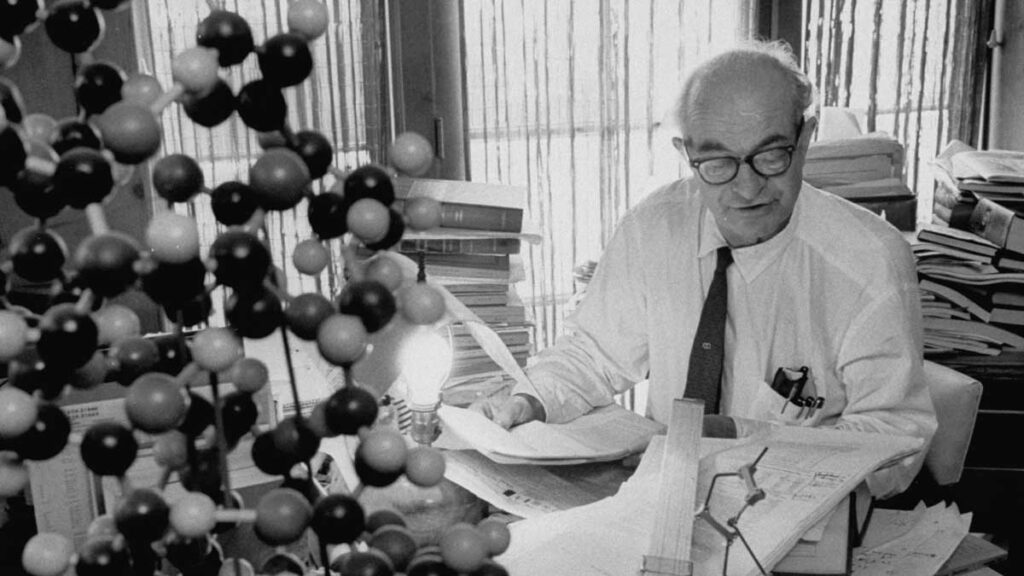
Winning the highest scientific award seems like a promise of flawless logic. Yet, a peculiar condition shows that brilliant minds can adopt wildly unscientific ideas. This condition is informally called Nobel disease. It affects individuals who, after receiving the ultimate recognition for their intellect, suddenly champion concepts far outside their expertise.
From extraterrestrial raccoons to dangerous medical practices, the history of these highly decorated thinkers features a series of surprising deviations from the scientific method.
The Confidence of a Prize Winner
Paul Nurse, a 2001 laureate in Physiology or Medicine, warned his peers about the dangers of the award. He noted that the media begins to treat winners as experts on everything. This external validation often bolsters a laureate’s confirmation bias rather than their skepticism. Milton Friedman, who won the 1976 prize, echoed this observation.
Friedman stated that he was asked for his opinion on everything from curing the common cold to the market value of historical letters. He suggested that the inflated attention was flattering but corrupting, leaving laureates vulnerable to inflated egos.
Vitamins, Aliens, and Astrology
Some of the most famous scientists in history have exhibited this condition. Linus Pauling won the 1954 Chemistry prize and a later Peace prize. A decade before his first win, he began treating a kidney condition with vitamin supplements. Later, he consumed vitamin C at more than 120 times the recommended daily intake. He argued that megadoses could cure the common cold, treat schizophrenia, and prolong the lives of cancer patients, despite a lack of scientific support.
Kary Mullis, the 1993 Chemistry laureate, denied that HIV causes AIDS and doubted human-caused climate change. Mullis professed a belief in astrology and described an encounter with a glowing, talking raccoon that he suspected was an extraterrestrial alien.
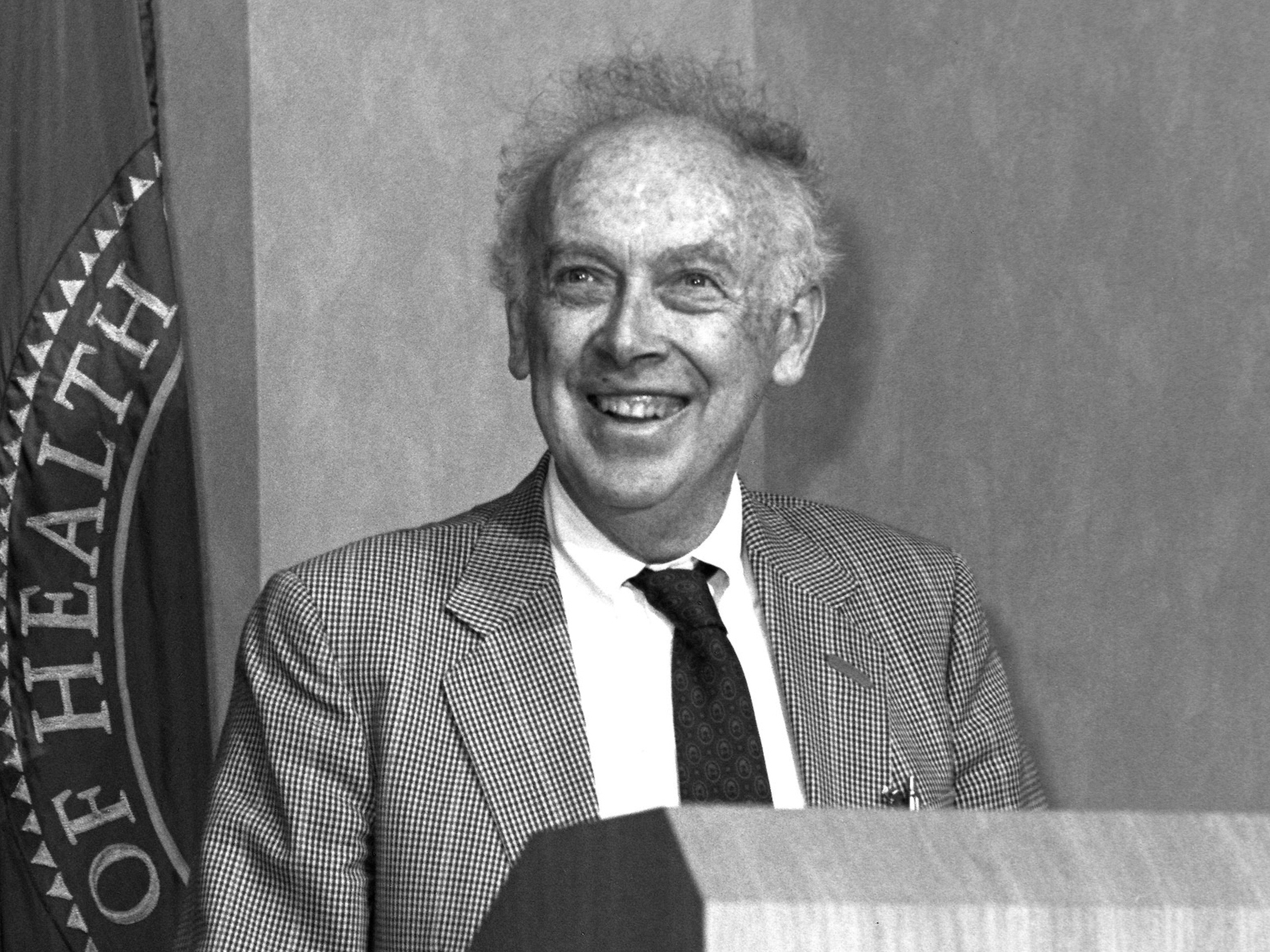
Controversial and Dangerous Endorsements
In some cases, laureates promoted actively harmful concepts. Nikolaas Tinbergen, who won the 1973 prize for animal behavior, used his acceptance speech to promote the discredited refrigerator mother hypothesis for autism. He later coauthored a book recommending holding therapy, an empirically unsupported and physically dangerous treatment.
Luc Montagnier co-discovered HIV and won the 2008 prize. He later claimed that solutions containing bacterial DNA could emit low-frequency radio waves and teleport information to separate test tubes. Montagnier also supported the discredited view that vaccines cause autism and promoted the idea that SARS-CoV-2 was deliberately created in a laboratory.
A Century of Unsound Claims
The condition stretches back to the early years of the awards. Phillip Lenard won the 1905 Physics prize but later promoted the concept of Deutsche Physik and supported the Nazi party. Charles Richet, the 1913 Physiology or Medicine winner, believed in dowsing, paranormal activity, and ghosts.
Brian Josephson, the 1973 Physics winner, promoted the notion that water has memory and explored the possibility of human telepathy. These historical cases demonstrate that immense scientific brilliance does not grant immunity from embracing irrational concepts.