
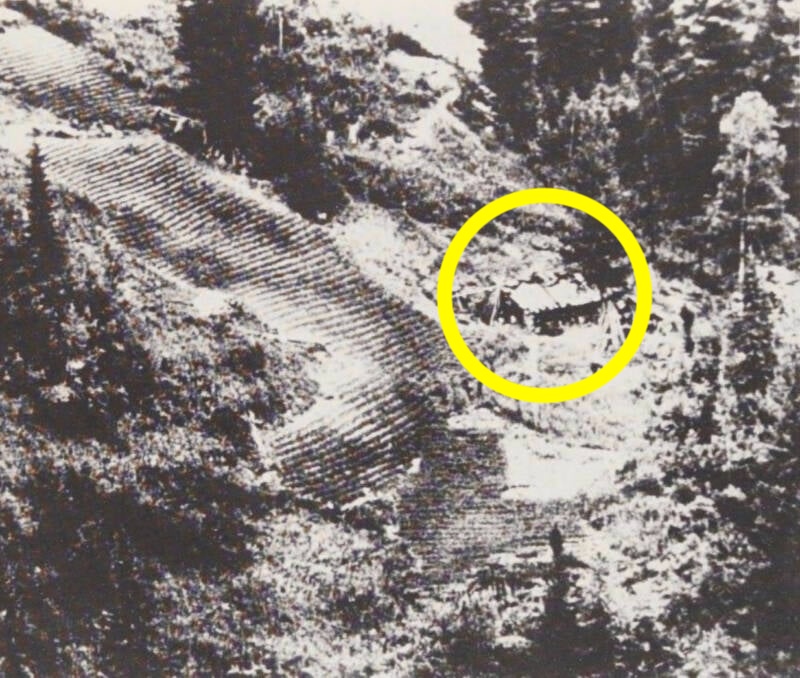
In 1978, a Soviet helicopter pilot flying over the remote Siberian taiga spotted deep furrows carved into a mountainside several thousand feet (over 914 meters) high. This isolated location was situated 150 miles (241 kilometers) from any known civilization. Ground teams expecting an empty expanse instead found a dilapidated cabin with a floor of potato peels and pine-nut shells.
Inside lived a family of six who had completely missed World War II, the moon landing, and four decades of human history. The Lykovs fled into the unforgiving wilderness to escape religious persecution, enduring starvation and freezing temperatures entirely cut off from the rest of the world.
Fleeing Persecution into the Deep Taiga
Karp Lykov, an Old Believer of the Russian Orthodox faith, fled his village in 1936 after Bolsheviks outlawed Christianity and murdered his brother.
Taking his wife Akulina, nine-year-old son Savin, and two-year-old daughter Natalia, Karp traveled deep into the forest to establish a new home. Over the next few years, the family welcomed two more children, Dmitry in 1940 and Agafia in 1944. These two youngest members grew up without ever seeing another human being outside their immediate relatives.
Decades of Extreme Wilderness Survival
The family survived using hemp cloth for clothing and birchbark to replace worn-out shoes and rusted kettles. Cooking became incredibly difficult due to the fragility of birchbark over an open flame. Disaster struck in 1961 when a massive snowstorm destroyed their entire crop.
Forced to consume leather shoes, straw, and tree bark, the family faced severe starvation. Akulina refused food so her children could eat, ultimately dying of starvation. The surviving members carefully nurtured a single surviving shoot of rye to rebuild their food supply.
First Contact with the Modern World
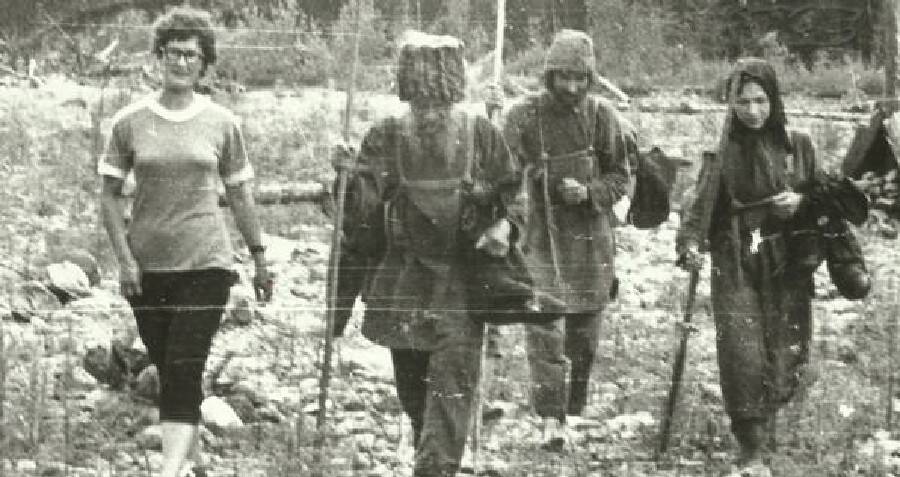
When geologists finally made contact in 1978, they offered the family bread and jam, which the younger children refused because they had never seen such food. The Lykovs eventually accepted salt, knives, grain, and an electric flashlight.
The scientists informed them about global events like World War II, prompting Karp to express dismay at the involvement of Germany. The family also watched television at the geologists’ camp, though they prayed diligently after viewing the screen.
Tragedy and Remaining in Isolation
In 1981, Savin, Natalia, and Dmitry died within a few days of one another from kidney failure and pneumonia. Dmitry refused a helicopter flight to a hospital, choosing to stay.
Karp passed away in 1988, leaving Agafia completely alone. A geologist named Yerofei Sedov moved nearby later in life, and the two occasionally listened to the radio until his death in 2015. Agafia briefly left the forest in 2016 at age 71 to receive medical treatment for her leg, but she promptly returned to her secluded mountain home once she recovered.