
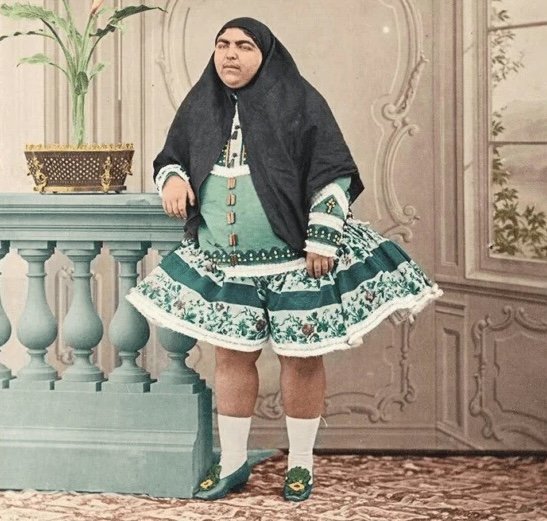
Social media feeds are often flooded with images of a mustache-sporting Persian royal dubbed “Princess Qajar.” Accompanying text claims thirteen men took their own lives after she rejected their romantic advances. The posts garner thousands of likes and shares across various platforms, but the narrative they present is a complete fabrication.
The viral photos do not show a single woman, nor did thirteen suitors end their lives over her. The real history involves two distinct nineteenth-century princesses from the Qajar dynasty who led entirely separate lives and never experienced the events described in these popular internet rumors.
Identifying Two Different Qajar Dynasty Royals
Linköping University researcher Victoria Van Orden Martínez identified that the widely shared pictures actually depict two half-sisters rather than one individual. They are Princess Fatemeh Khanum “Esmat al-Dowleh,” born in 1855, and Princess Zahra Khanum “Taj al-Saltaneh,” born in 1884.
Both were daughters of Naser al-Din Shah Qajar. The Shah possessed a strong interest in photography from a young age and frequently photographed his family members, resulting in the survival of these historical portraits today.
The Unlikely Tale of Thirteen Suitors
The claim regarding rejected suitors contradicts historical facts about their upbringing and daily lives. Both women married at a very young age. Esmat al-Dowleh married when she was about eleven years old. Taj al-Saltaneh married at age ten. Due to the strict social customs of their time in Persia, it is highly improbable they interacted with non-relative males prior to their arranged marriages. They did not have the opportunity to entertain or reject dozens of suitors, making the tragic internet tale completely false.
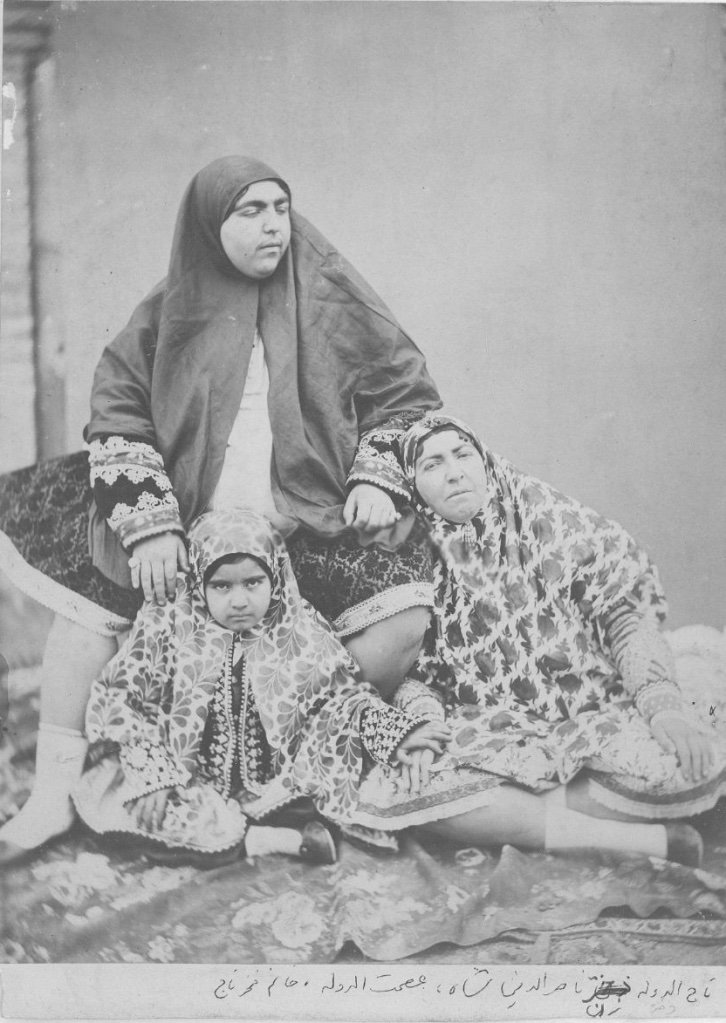
The Real Lives of Fatemeh and Zahra
Esmat al-Dowleh learned piano and embroidery from a French tutor during her youth. She also served as a host for the wives of European diplomats visiting her father. Her younger half-sister, Taj al-Saltaneh, became a prominent writer, nationalist, and feminist. She divorced two husbands and authored a detailed memoir titled “Crowning Anguish: Memoirs of a Persian Princess from the Harem to Modernity.” In her writings, she heavily advocated for women’s emancipation and criticized the suppression of Persian women, declaring she would gladly fight for liberty.
Nineteenth-Century Persian Beauty Standards
The viral posts accurately highlight one factual aspect of nineteenth-century Persian aesthetics. According to Harvard historian Afsaneh Najmabadi, who wrote a book on Iranian modernity, women with prominent eyebrows and facial hair on their upper lips were considered highly attractive. Women sometimes enhanced these features using mascara. Conversely, beardless young men with delicate features were also prized. These specific aesthetic preferences began to shift only later as Persians traveled to Europe and adopted foreign standards.