
In the 1990s, children around the world were more likely to recognize Super Mario than Mickey Mouse. The mustachioed plumber is a household name today, but the company behind him began in 1889 by selling paper playing cards to illegal gambling rings.
Over a century of drastic business pivots took Nintendo from manufacturing picture decks to running taxi fleets, opening short-stay hotels, and nearly facing bankruptcy. A chance encounter with a maintenance man sparked a transformation into a global video game giant.
From Flower Cards to Yakuza Gambling
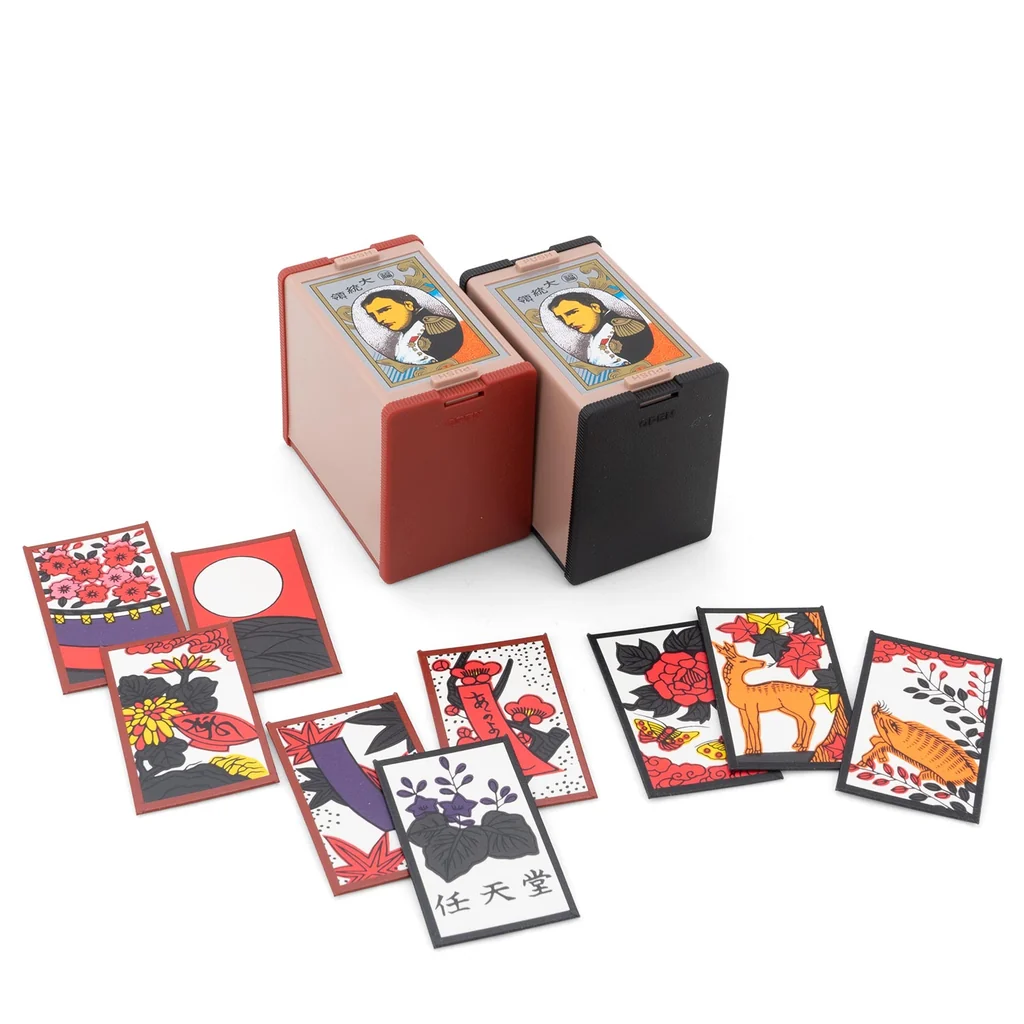
Fusajiro Yamauchi founded Nintendo Playing Card Co. in the autumn of 1889 to sell hanafuda, or flower cards. The Japanese government had banned foreign card games, leaving a gap in the market. As the cards gained popularity, Yakuza syndicates began using them to run illicit gambling rings.
Yamauchi capitalized on this demand and named the business Nin-Ten-Do, an ambiguous phrase containing codes signaling the cards’ use in gambling. In 1929, Yamauchi passed the factory to his son-in-law. The business survived the Second World War and fell to Hiroshi Yamauchi in 1949.
Taxis, Copy Machines, and Love Hotels
Hiroshi Yamauchi expanded the business by printing adult decks for US soldiers and securing the rights to print Disney characters in 1959. As technology advanced, parlor games lost their public appeal. By 1963, the business was renamed Nintendo Company Ltd and entered unrelated markets to survive.
Nintendo launched a taxi service, sold copy machines, and operated a clandestine love hotel that Hiroshi himself frequented. Every new venture failed. The business was left on the verge of bankruptcy.
An Extendable Arm Saves the Business
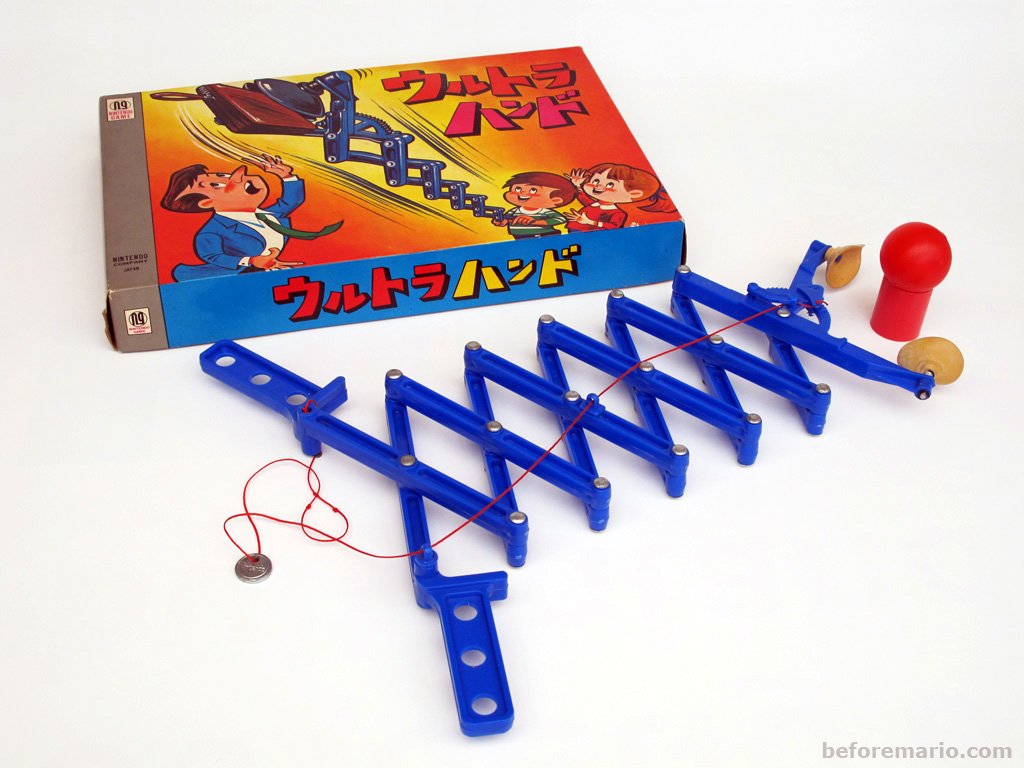
While touring a struggling printing factory, Yamauchi noticed an extendable mechanical arm built by maintenance man Gunpei Yokoi. Yamauchi immediately ordered the toy into mass production. It was an instant financial success. Nintendo pivoted into toy manufacturing and elevated Yokoi to creative designer.
Yokoi created hits like the Love Tester and the Ten Billion Barrel puzzle before experimenting with electronics. Nintendo soon developed light guns and arcade video games. They released the Color TV-Game systems before hiring a designer named Shigero Miyamoto.
Donkey Kong and the Famicom
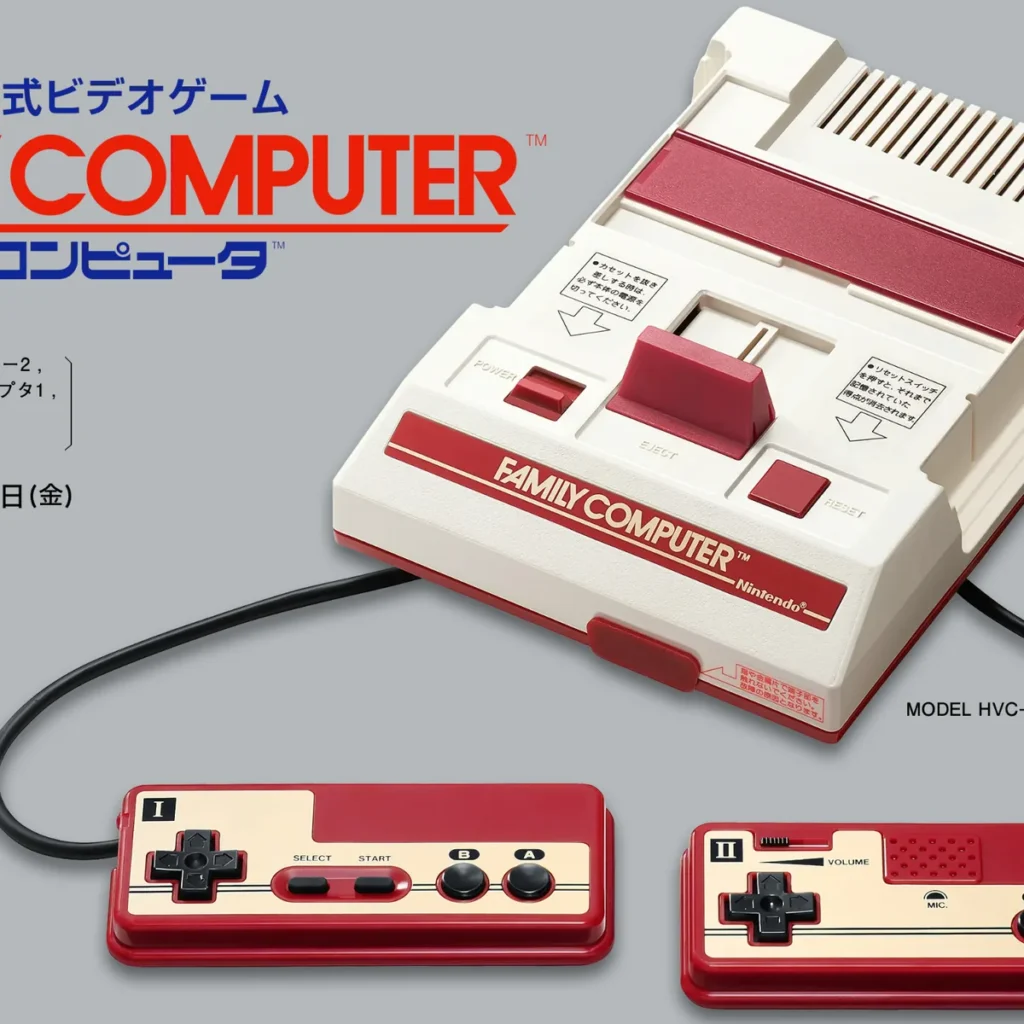
As Yokoi developed the Game & Watch handhelds, Miyamoto designed the Donkey Kong arcade cabinet. The game introduced a hero rescuing a damsel in a pink dress from an angry gorilla. In 1983, Nintendo released a home console called the Famicom, short for family computer.
To avoid the stigma attached to video games, they intentionally dropped the term. The console launched in Western markets two years later as the NES, bundled with Super Mario Bros. Soon after, Nintendo released Metroid and the Legend of Zelda. By 1990, they transformed the light gun into the Zapper and evolved the Game & Watch into the Game Boy.