
In a country spanning 3.2 million square miles (8.5 million square kilometers), the Brazilian government implemented a prison policy that turns reading into an official currency for early release. Inmates serving sentences in federal penitentiaries can physically shorten their time behind bars by simply picking up a book.
This policy, enacted through the Criminal Enforcement Act, directly connects literacy and literary study with the judicial system. The program operates under a strict set of regulations, turning hours spent reading pages into a direct mathematical reduction of a criminal sentence. In this system, finishing a novel changes a person’s legal release date.
The Remission for Reading Program
Introduced under a government amendment in June 2012, the initiative is officially named “Remição pela Leitura” or Remission for Reading. It allows individuals incarcerated in federal prisons to shave exact amounts of time off their court-mandated sentences through reading.
The state provides a catalog of approved literature, which heavily features classic national novels, philosophical texts, and scientific books. Inmates voluntarily sign up to participate and receive the reading materials directly in their cells.
Earning Four Days Per Book
The mathematics of the program are strictly defined by Brazilian law. For every single book an inmate finishes, the state deducts exactly four days from their total prison sentence. Participants are permitted to read up to 12 books per calendar year under the official rules.
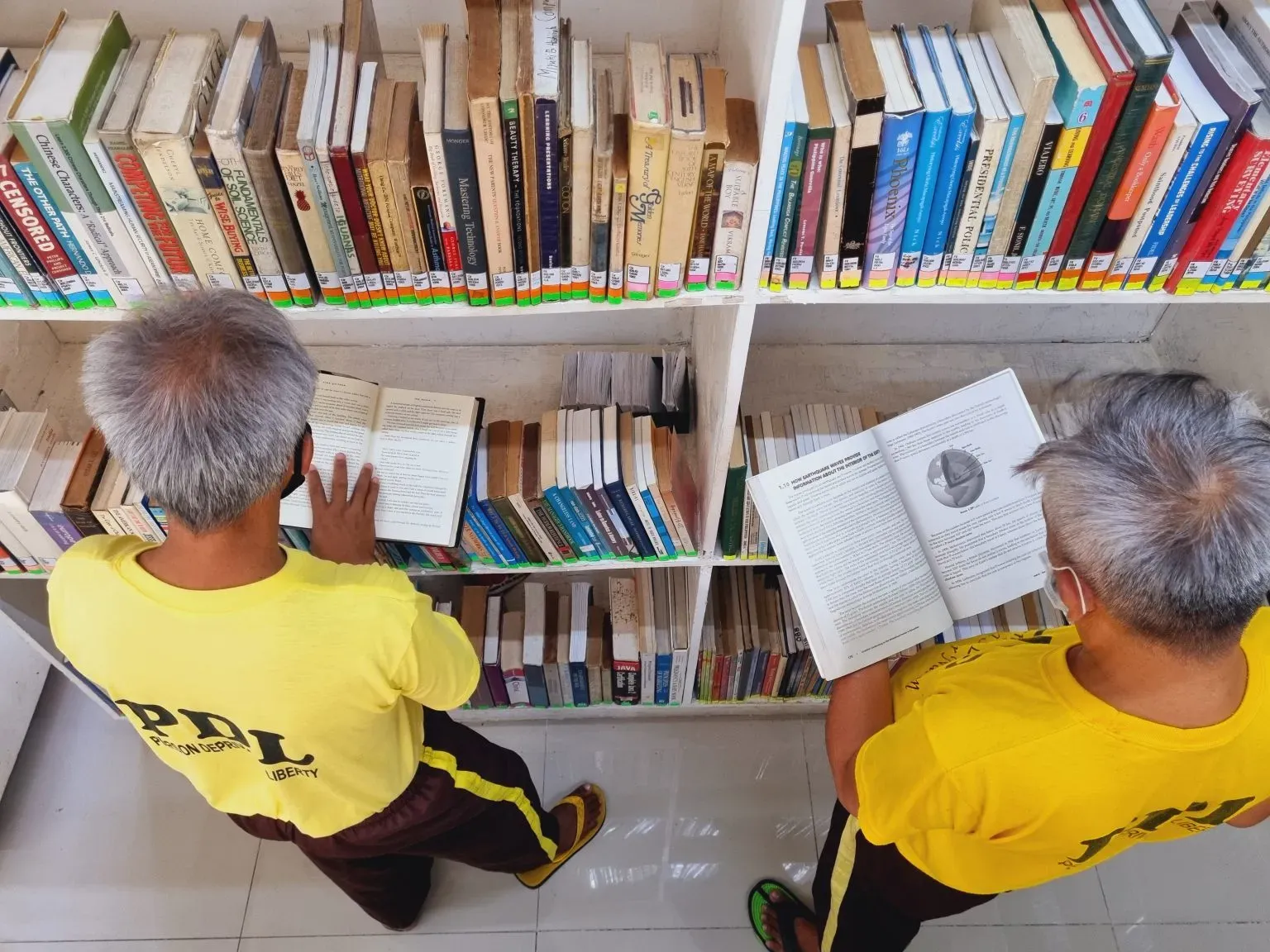
If an inmate maximizes their participation by completing the full dozen, they can successfully remove a total of 48 days from their sentence each year. This creates a steady, verifiable path for inmates to expedite their release dates based purely on their own reading habits.
The Rules and Regulations
To prevent fraud and ensure actual reading occurs, the government established a rigid verification system. Inmates have a fixed window of 21 to 30 days to finish each checked-out book, depending on its length. Once the reading period concludes, the inmate must draft a comprehensive essay or book report, known in Portuguese as a “resenha”. They are typically given 10 days to write this review.
A designated panel of educators and judicial reviewers then grades the essay to verify the inmate comprehended the material. If the panel approves the written summary, the four-day sentence reduction is officially processed and recorded in the inmate’s legal file by a judge.
A Nationwide Correctional Policy
The program addresses Brazil’s prison population by requiring inmates to engage with educational materials in exchange for time. By checking out books and submitting approved essays, participants actively alter their release schedules.
The system runs continuously across participating federal institutions, tracking thousands of book reports and adjusting judicial calendars accordingly without requiring physical labor.