

In a 2018 scientific study published in Royal Society Open Science, researchers made a surprising discovery about the future of archaeology.
When modern human civilization eventually ends, the physical evidence left behind in the geological record may not consist of massive skyscrapers or concrete cities. Instead, scientists determined that the most widespread future fossils on Earth will be the discarded bones of domesticated chickens.
The Explosive Growth of Global Poultry
By 2020, the global domesticated chicken population surpassed 33 billion birds, vastly outnumbering the world human population of 8.2 billion. Estimates from 2022 revealed that humans slaughter over 70 billion chickens each year for food. In the United States alone, individual chicken consumption doubled compared to levels recorded in the 1970s.
This massive agricultural expansion occurred because chickens mature rapidly, require less physical space than larger livestock, and cost less to raise than cattle or pigs. Consequently, chicken consumption continues to rise globally toward surpassing pork as the most consumed meat.
Biological Alterations and Porous Bones
To meet rising global food demands, industrial farming altered the biological structure of domesticated birds. Research led by lead author Carys E. Bennett showed that modern meat chickens grow significantly larger and faster than their historical ancestors.
These rapid growth rates produced distinct, highly porous bones that cannot support the bird’s own body weight into full adulthood. The resulting skeletal structure differs completely from wild bird species and earlier domesticated varieties, leaving a unique physical mark in animal biology.
Landfill Preservation and Future Fossilization
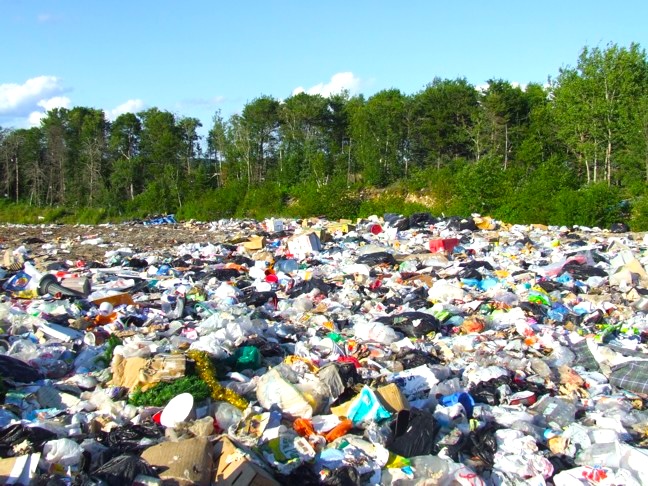
Standard bird bones typically decompose quickly in open environments. However, humans discard billions of processed chicken bones into concentrated landfills. Inside these oxygen-poor environments, organic material undergoes mummification rather than rapid decay.
The 2018 study concluded that these buried, altered bones will withstand environmental breakdown over long periods. As a result, the subterranean layers of the planet now contain dense concentrations of manufactured avian skeletons preserved directly within landfill sediment.
The Geological Record of the Anthropocene
Atmospheric chemist Paul Crutzen popularized the term “Anthropocene” around the year 2000 to describe an era defined by human impact on Earth’s geological processes. Key markers of this period include plastic accumulation, concrete production, ocean acidification, and species extinctions.
The 2018 research added domesticated poultry bones to this geological record. Because human consumption buries tens of billions of biologically modified skeletons annually, researchers concluded these preserved remains will serve as the primary physical marker of human activity buried beneath Earth’s surface.