
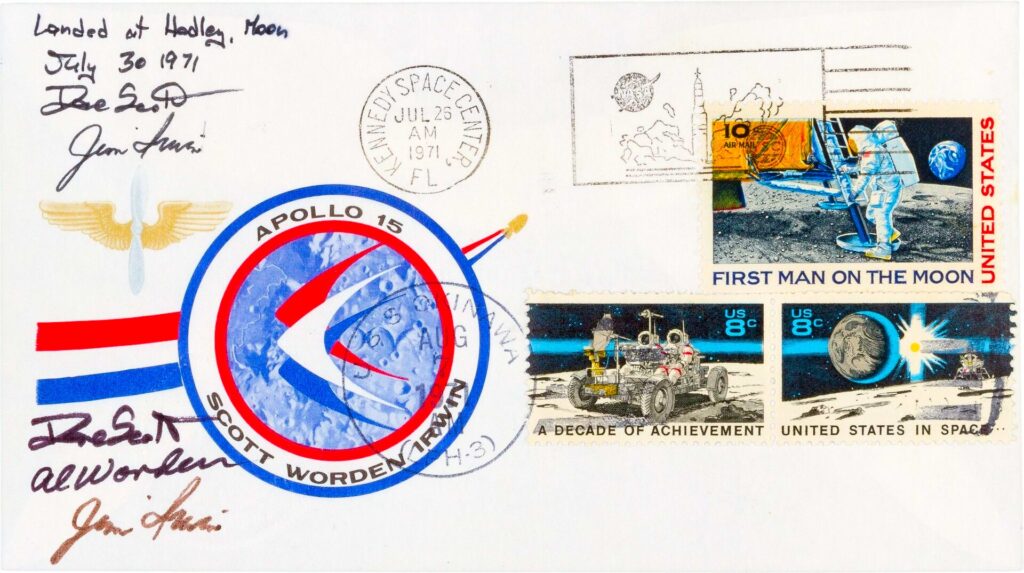
In 1971, three astronauts embarked on a historic lunar mission, but a secret payload tucked inside a spacesuit pocket ended their spaceflight careers. A covert arrangement to transport hundreds of stamped envelopes to the Moon resulted in a massive public controversy, congressional hearings, and a decade-long legal dispute with the United States government. This is the timeline of the Apollo 15 postal incident, detailing how an arrangement for stamp collectors grounded a NASA crew.
A Clandestine Philatelic Payload
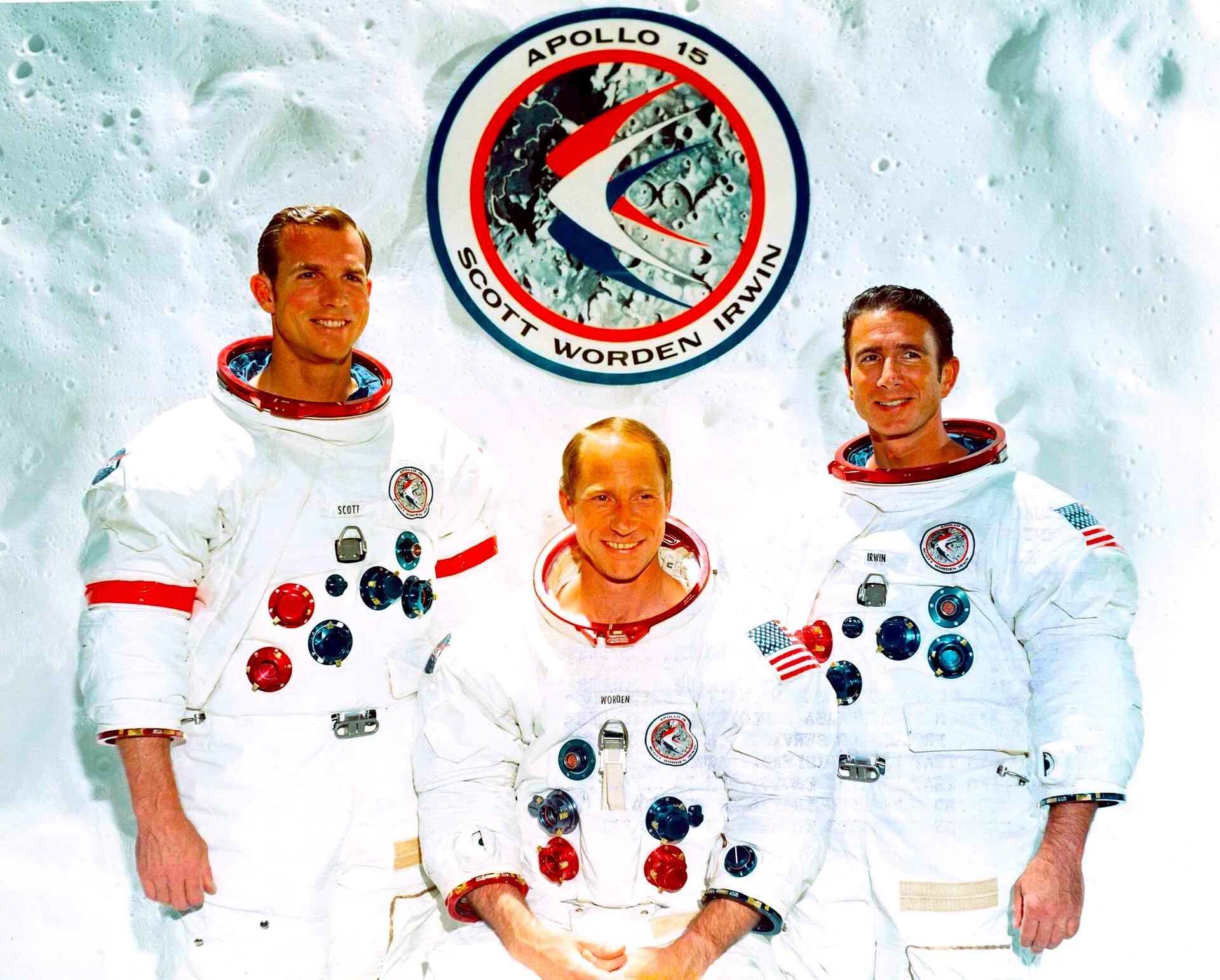
Before the Apollo 15 launch, astronauts David Scott, Alfred Worden, and James Irwin met with Horst Eiermann. Eiermann proposed an arrangement for Hermann Sieger, a West German stamp dealer. If the crew carried 100 postal covers to the Moon, they would each receive $7,000. Believing other crews did similar things, they agreed, requesting an additional 300 envelopes. Separately, Worden carried 144 additional covers for another collector. Bypassing standard approval procedures, Scott carried a bundle of unauthorized envelopes aboard the spacecraft inside his spacesuit pocket on July 26, 1971.
Postmarks from the Lunar Surface
The covers traveled to the Moon aboard the Lunar Module Falcon. After splashing down on August 7, 1971, the crew used the post office aboard the recovery ship USS Okinawa to postmark the unauthorized envelopes. The astronauts signed 100 covers, received notary certifications from a NASA clerk, and mailed them to Eiermann in Europe. Sieger quickly sold his allotment to collectors for approximately $1,500 each, while the astronauts retained the remaining hundreds of envelopes.
A Congressional Investigation
When European philatelic publications reported on the covers in 1972, American collectors alerted NASA. Hearing rumors of the sales, the astronauts returned their bankbooks to Eiermann, refusing the payments before the agency officially confronted them. Nevertheless, NASA launched a full inspection. Deke Slayton removed the men from the Apollo 17 backup crew. Following intense press coverage and a closed-session Senate committee hearing, Scott, Worden, and Irwin received official reprimands. NASA confiscated the remaining covers, and none of the three men ever flew in space again.
The Lawsuit Against the Government
The Justice Department investigated the incident but declined to prosecute the astronauts. In 1983, Worden filed a lawsuit, alleging the seizure of the envelopes without a hearing violated the Constitution. The government concluded it lacked grounds to fight the lawsuit. In an out-of-court settlement, they released the 359 confiscated covers back to the astronauts. Decades later, the envelopes became highly sought-after artifacts, with one Sieger cover selling at auction for over $50,000 in 2014.