

It is a popular tradition meant for celebration. For a small fee, amateur vocalists grab a microphone and take center stage in packed venues. Yet, selecting one particular classic track has resulted in a chilling pattern of fatal altercations. Behind the neon lights of these venues, a globally recognized tune has triggered violent incidents that baffled authorities and generated international headlines.
The Song Behind the Incidents
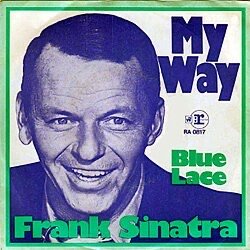
The track at the center of these events is “My Way,” popularized by Frank Sinatra. The song is about an individual looking back on their life, reflecting on their personal journey, and taking pride in having lived on their own terms without submitting to the demands of others. Frank Sinatra sings:
“And now, the end is near
And so I face the final curtain
My friend, I’ll say it clear
I’ll state my case, of which I’m certain”
You can find the full lyrics by searching for the song on Google. Despite the introspective nature of the track, its performance in the Philippines has repeatedly resulted in severe physical conflicts.
A Pattern of Violence in Karaoke Bars
Karaoke, often called “videoke,” is a widespread pastime in the Philippines. In 2007, individuals earning around $2 daily could purchase time on a machine for just $0.11 per track. Since January 1998, a reported dozen incidents involved extreme violence connected to complaints over the singing of this specific track. The media soon dubbed these events the “My Way” killings. In 2010, the New York Times estimated the number of fatal disputes connected to the track to be at least six.
High-Profile Altercations
Attention to these events peaked on May 29, 2007, in San Mateo, Rizal. A 29-year-old man named Romy Baligula was shot and killed by a bar guard, Robilito Ortega, using a .38 caliber service pistol. The guard stated the shooting occurred because the singer went off-key and struggled to get back on track. In the 2010s, a barangay chairman in Tondo, Manila, was fatally shot while singing the track at a Christmas party. In June 2018, a 61-year-old man in Dipolog was stabbed to death by a 28-year-old neighbor after grabbing the microphone just as the younger man was about to perform the track.
Precautionary Measures and Theories
Following these events, the track was reportedly removed from playlists in many bars across Manila, Bangkok, and Tokyo. Some Filipinos completely avoid singing the track in public out of fear of sparking a violent dispute. Explanations for the phenomenon vary. Pop culture experts at the University of the Philippines Diliman suggested the track’s popularity merely places it at the center of conflicts in venues where violence is already common. Others theorized that the lyrics provoke feelings of arrogance that cover up failures, leading to aggression. A critique of the initial media reports noted that the original articles lacked concrete police or witness reports.