
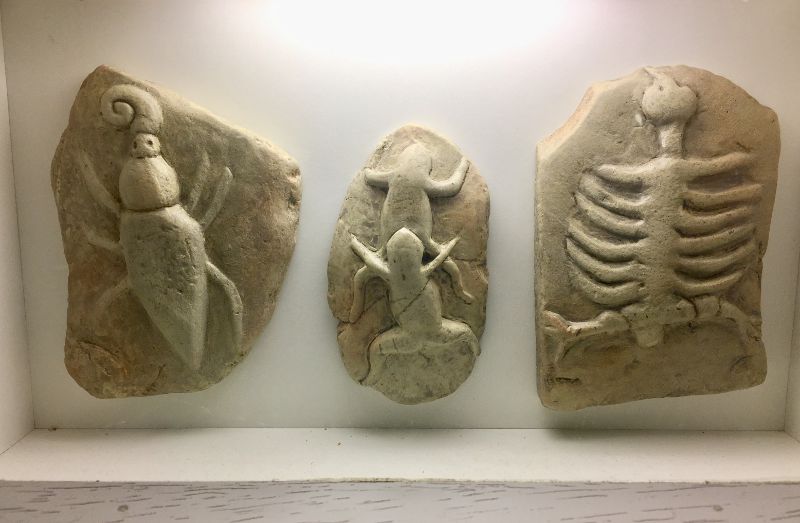
In 1725, a prominent university dean made a discovery that promised to redefine the scientific understanding of the natural world. He unearthed bizarre rocks displaying spiders sitting on webs, lizards, and frogs. He even found stones inscribed with the Hebrew name of God. Convinced he had uncovered divine creations, he proudly published an extensive book detailing his findings. He had no idea that his bitter colleagues had orchestrated an elaborate trap designed to ruin his career.
A Plot Hatched on Mount Eibelstadt
Johann Bartholomeus Adam Beringer served as the dean of the Faculty of Medicine at the University of Würzburg. He employed three young men to search for unusual rocks on Mount Eibelstadt. Unbeknownst to Beringer, a group of local figures decided to trick the professor. J. Ignace Roderique, Johann Georg von Eckhart, and Baron von Hof colluded against him. According to court testimony, they targeted the dean because they found him arrogant and believed he despised them.
Carvings by the Hand of God
The conspirators shaped fragments of limestone into fictitious animals. They added the Hebrew name of God using Latin, Arabic, and Hebrew characters. They then planted these stones on the mountain where Beringer frequently searched for specimens. Beringer began finding the rocks and meticulously documenting them.
During this era, the scientific community did not fully agree on the origin of fossils. Beringer considered multiple hypotheses, including the idea that the stones were inorganic formations or the fabrications of prehistoric pagans.
Beringer noted obvious chisel marks on the specimens. He wrote that the strokes looked like the work of a meticulous sculptor, complete with knife gouges going awry. Instead of suspecting fraud, this evidence convinced him that the chisel was wielded directly by God.
The Court Exposes the Fraud
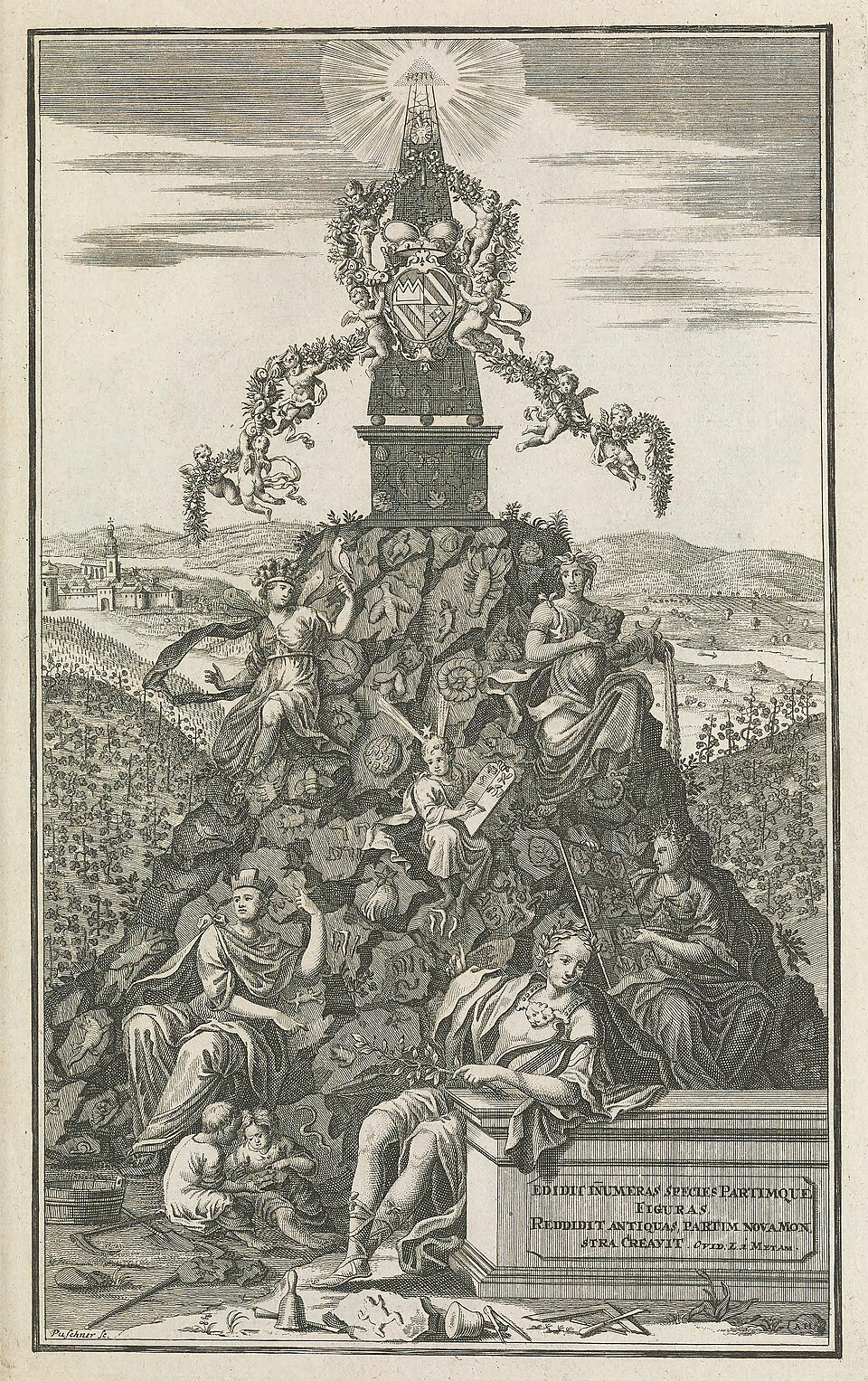
In 1726, Beringer published his findings in a heavily illustrated book called Lithographiae Wirceburgensis. Shortly after the book went into print, he realized the entire discovery was a coordinated hoax. He took legal action against Roderique and von Eckhart. The court ruled in his favor, leading to severe consequences for the perpetrators. Roderique was banished from Würzburg. Eckhart lost his library post and his archive privileges, leaving his own historical research unfinished upon his death.
The Aftermath of the Lying Stones
Despite winning the court case, Beringer suffered irreversible damage to his academic reputation. He spent many years trying to recover the printed copies of his book from circulation. Known today as the Lügensteine, or lying stones, some of the original carved rocks survived to the present day and are displayed in museums in Oxford and the Netherlands. A second printing of Beringer’s book was released in 1767, and the text was translated into English in 1963.