
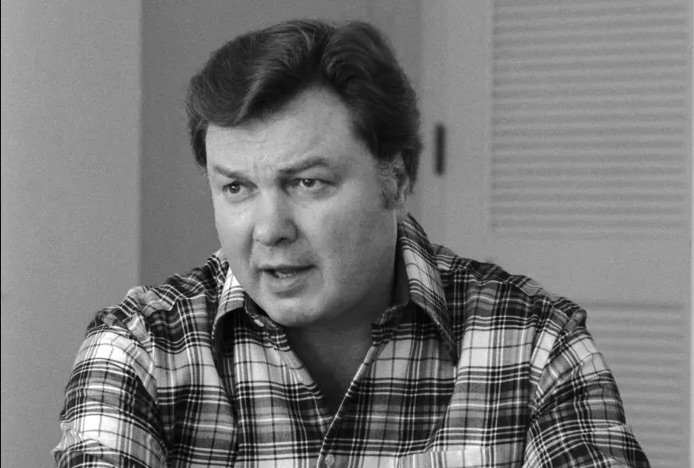
A single career intersected with Korean War prisoners, classified Central Intelligence Agency mind-control experiments, and the highly publicized trials of Jack Ruby and Patty Hearst.
Dr. Louis Jolyon West was an American psychiatrist whose research placed him at the center of the twentieth century’s most controversial psychological investigations. From diagnosing assassins to dosing an elephant with hallucinogens, his professional life involved the highest levels of government and the most scrutinized courtrooms.
Decoding Prisoner Confessions
During the Korean War, the United States Air Force appointed West to investigate why 36 captured airmen had confessed to war crimes. While many speculated that the prisoners were drugged or hypnotized by their captors, West discovered a much simpler method of coercion.
His research revealed that the false confessions resulted from prolonged, chronic sleep deprivation. Because West documented this extreme psychological exhaustion, the military exonerated the airmen, sparing them from being court-martialed for treason.
CIA Mind Control and the Elephant Experiment
West’s success in understanding prisoner coercion attracted the attention of the CIA. In the 1950s, he became a contractor for Project MKUltra, a classified program researching behavioral modification. West proposed using hypnosis and psychotropic drugs to plant false memories in subjects.
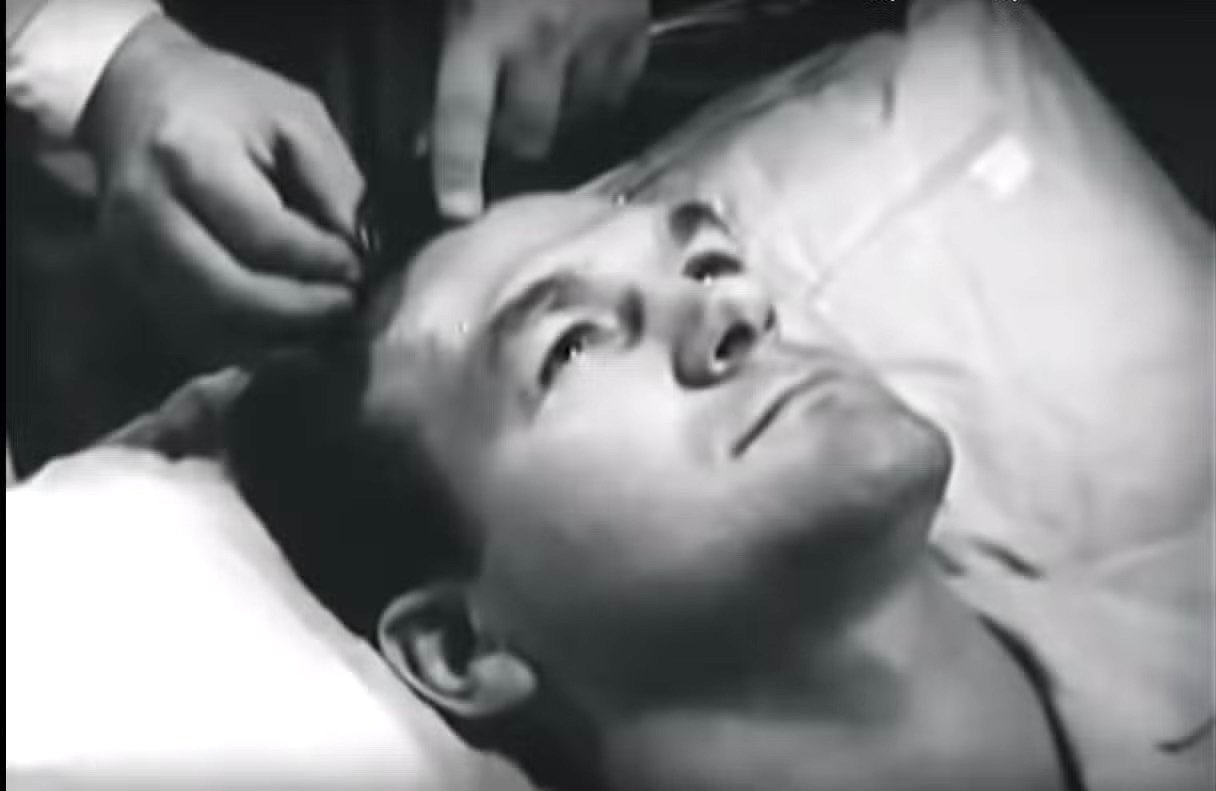
During this era, West also conducted a highly publicized 1962 experiment at the Lincoln Park Zoo in Oklahoma City. He injected a bull elephant named Tusko with LSD to study animal behavior. When the elephant began having seizures, researchers administered a massive dose of an antipsychotic drug, and the animal died shortly after.
Examining Jack Ruby and Patty Hearst
As his career progressed to the University of California, Los Angeles, West frequently served as a court-appointed expert in major legal cases. After Jack Ruby killed Lee Harvey Oswald in 1963, West examined Ruby in isolation and diagnosed him with an acute psychotic state.
Years later, he evaluated newspaper heiress Patty Hearst after her involvement in a bank robbery with the Symbionese Liberation Army. West testified for her defense, stating that she exhibited classic signs of coercion and the Stockholm effect, prompting him to officially petition the president for her release.
Blocked Research and Global Activism
At UCLA, West attempted to establish a center for the study of interpersonal violence. The California legislature ultimately blocked the project following public backlash over fears that the center would perform inhumane procedures. Outside of academia, West traveled to South Africa during the apartheid era.
In 1977, he testified on behalf of ten Zulus accused of state conspiracy, demonstrating that their confessions were extracted through torture. He returned in the 1980s to testify for tortured activists, utilizing his specific expertise in coercion to defend political prisoners until his death in 1999.