
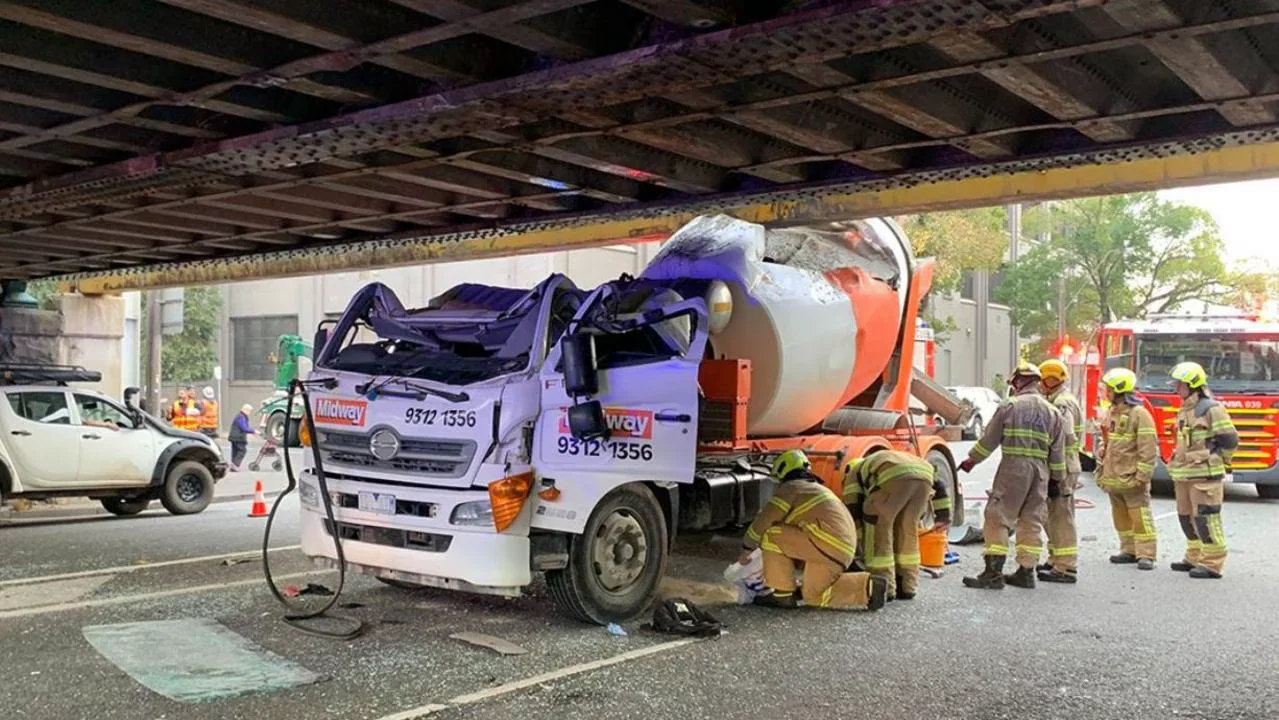
The Montague Street Bridge in South Melbourne, Australia, holds a remarkable record for stopping modern transport in its tracks. Despite dozens of flashing warning signs and advanced electronic detection systems, large vehicles continuously slam directly into its low iron frame.
Drivers frequently miscalculate the overhead clearance, leading to crushed roofs, jammed trucks, and severe traffic delays. This is the true story of how a standard piece of twentieth-century infrastructure became one of the most frequently struck hazards in urban transit history, baffling city planners for decades.
A Disastrous Modification in City Design
Construction firm Johns and Waygood built the bridge in 1914 for the Port Melbourne railway line. Initially, vehicles passed underneath without significant issue, but persistent regional flooding soon forced a major infrastructure change.
In 1934, the South Melbourne council raised the underlying road level by approximately two feet (0.61 metres) to keep traffic out of the water. This alteration permanently reduced the clearance height beneath the structure to just 3 metres (10 feet). Ever since that engineering modification, the overpass has been the site of constant collisions involving oversized vehicles.
Decades of Crushed Metal and Delays
The vehicle collisions began almost immediately after the municipal workers altered the road. Historical records show that onlookers witnessed trucks getting jammed under the iron girders as early as 1929.
During the 1970s, a local vehicle rental business manager reported that five or six commercial trucks from his single branch hit the structure every single year. The frequency of these accidents grew alongside modern urban shipping, making the location a permanent fixture in regional traffic alerts.
The Devastating Passenger Bus Collision
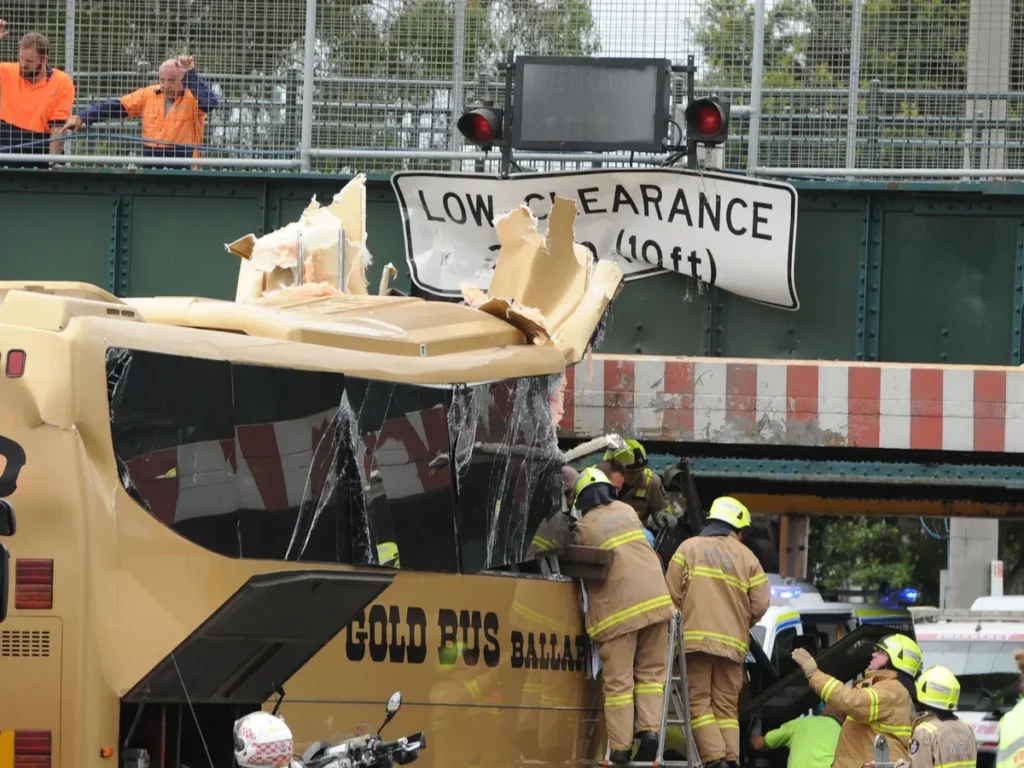
The most severe incident at the site occurred on February 22, 2016. A passenger bus measuring 3.6 metres (12 feet) in height attempted to drive under the 3-metre (10-foot) clearance while traveling at a speed of 56 km/h (35 mph). The violent impact peeled the metal roof of the bus back to the fifth row of seats.
The crash severely injured the driver, Jack Aston, and six passengers, who suffered spinal fractures and facial lacerations. The driver received a five-year prison sentence, which an appeals court later reduced to ten months.
High-Tech Warnings Fail to Stop Accidents
To prevent further disasters, the Victorian state government installed 26 advanced warning signs around the approach. In 2016, authorities added two electronic height-detection gantries that trigger flashing alerts and swing heavy rubber paddles to physically thump the roofs of overheight vehicles.
Each collision costs the local economy an estimated $100,000 in transit delays and tram disruptions. Yet, drivers continue to hit the structure, ensuring that the tracking website dedicated to counting the days since the last crash regularly resets to zero.