
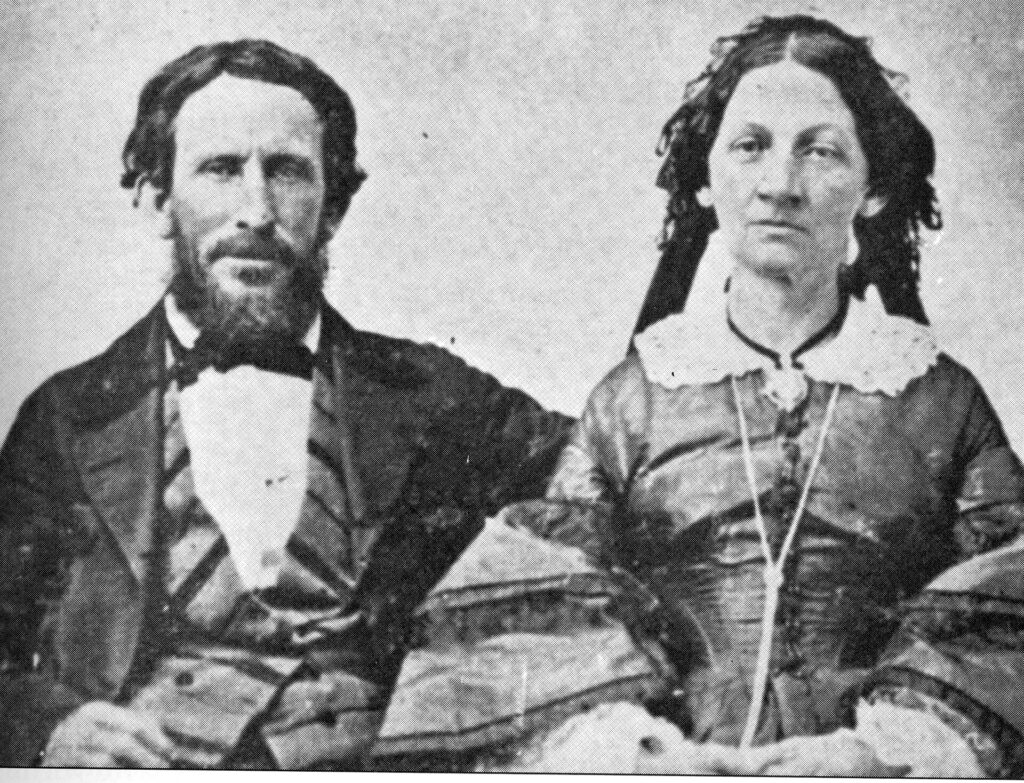
In May 1846, a group of 89 American pioneers left Springfield, Illinois, heading toward California with dreams of abundant land. Led by George Donner and James Reed, the wagon train traveled west along established routes. However, a decision to follow an untested path known as the Hastings Cutoff delayed their journey by critical weeks.
This choice trapped the migrants in the heavy snows of the Sierra Nevada mountains, sparking a brutal winter struggle where survival depended on the most extreme measures.
The Allure of Lansford Hastings
The primary delay occurred when the group followed a guidebook written by promoter Lansford Hastings. He advertised a shortcut that promised to reduce the journey to California by 350 miles (563 kilometers). Instead of saving time, the route forced the pioneers to clear a new wagon road through the dense brush of the Wasatch Mountains and cross the unforgiving Great Salt Lake Desert.
The desert crossing took six days instead of the anticipated two days. By the time the wagon train reentered the regular trail, they had lost substantial livestock and added roughly 125 miles (201 kilometers) to their journey.
The Sierra Nevada Trap
The accumulated delays proved catastrophic when the party reached the foot of the Sierra Nevada mountains in late October. An unusually early blizzard struck the region, dumping 5 feet (1.5 meters) of snow and blocking the high mountain passes.
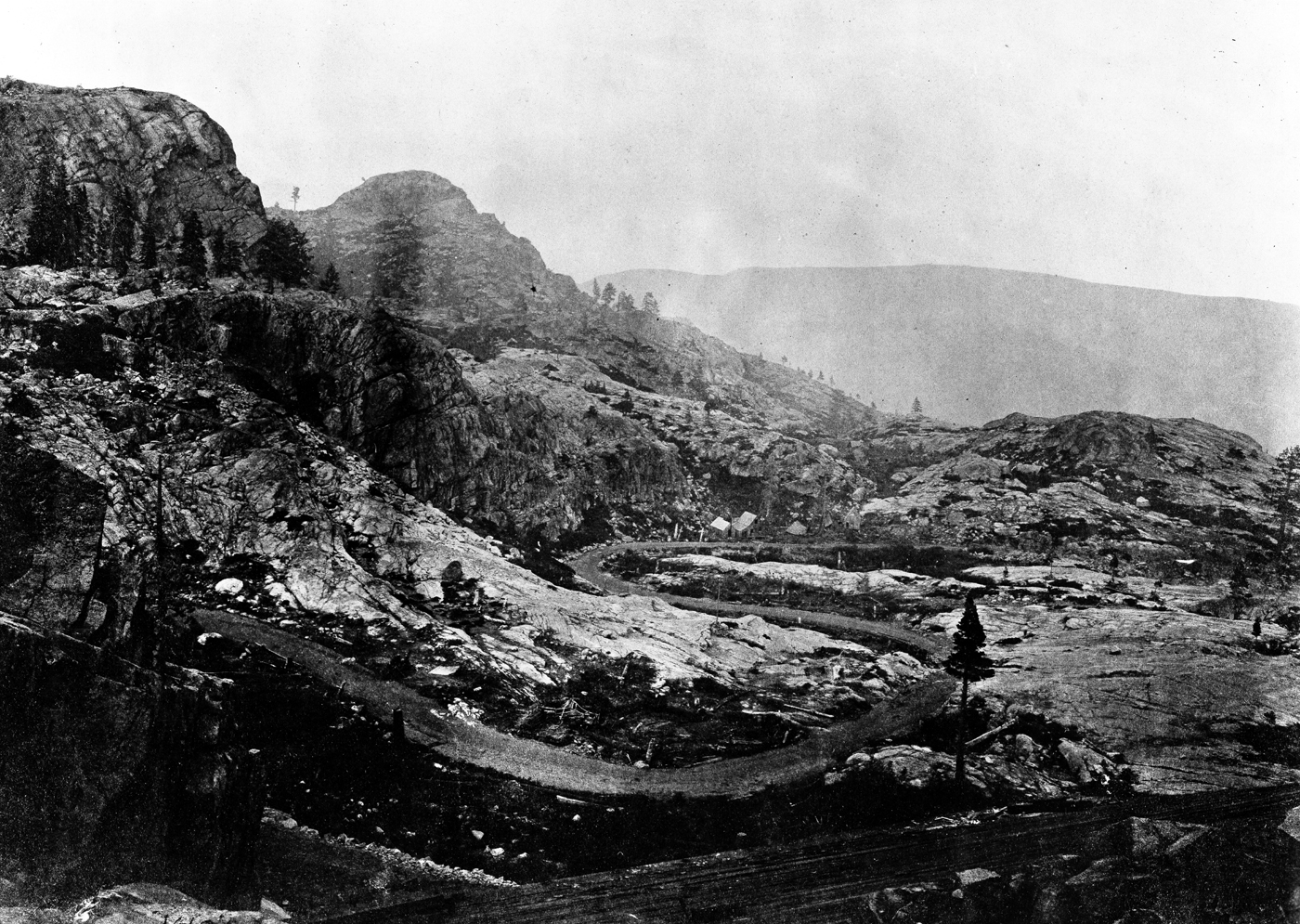
The migrants retreated to Truckee Lake, now known as Donner Lake, located at an elevation of about 5,933 feet (1,808 meters). They constructed hasty wooden cabins and tents, but food supplies quickly vanished. The families slaughtered their remaining oxen, horses, and dogs, eventually resorting to boiling animal hides and bones to sustain themselves.
The Forlorn Hope and Relief
In December 1846, a desperate group of 15 emigrants, later called the Forlorn Hope, attempted to walk out of the mountains on makeshift snowshoes to find help. Lacking food, members of this group died along the way, and the survivors consumed the remains of the deceased to stay alive.
Only seven reached safety in California. Their arrival alerted authorities, who launched four successive rescue operations between February and April 1847. Rescuers encountered scenes of severe starvation and found that the trapped individuals at the lake had also resorted to cannibalism to survive.
The Final Survival Statistics
Of the original 89 members who entered the mountains, only 45 survived to reach California. The Donner family suffered heavy losses, including George Donner and his wife, Tamsen. Entire families, such as the Reeds and Breen families, managed to survive intact due to strategic choices and early rescues. The cabins were later burned by military authorities, and the site became a focal point for historical documentation regarding the hazards of early overland migration.